Understanding the Two Main Types: Spray-Dried vs. Freeze-Dried
The most critical decision you will make when selecting an instant coffee is understanding how the coffee was processed. This isn't just technical jargon. It fundamentally changes the flavor profile and solubility of your drink.
Spray-Dried Coffee: This is the most common method for budget-friendly, generic brands. The liquid coffee extract is sprayed through a hot nozzle into a stream of hot air, which evaporates the moisture and leaves behind fine granules. While cost-effective, the high heat used in this process can strip away delicate oils and volatile aromatics, often resulting in a more bitter, 'scorched' taste. If you are looking for a coffee primarily to mix with heavy cream and sugar, spray-dried is a functional, economical choice.
Freeze-Dried Coffee: If you want a premium experience from an instant format, look for 'freeze-dried' on the label. In this process, the coffee extract is frozen and then placed in a vacuum, where the ice turns directly into vapor (sublimation). Because this avoids high heat, it preserves much more of the original bean's flavor, acidity, and aroma. Freeze-dried granules are typically larger, more crystalline, and dissolve more cleanly without leaving a gritty residue at the bottom of the mug.
Evaluating Bean Origin and Roast Profiles
Even in the generic category, the source of the beans matters. Most instant coffees use Robusta beans rather than the Arabica beans found in specialty cafes. Robusta is easier to grow and contains more caffeine, making it ideal for a quick wake-up call, but it can have a more earthy, rubbery, or bitter profile.
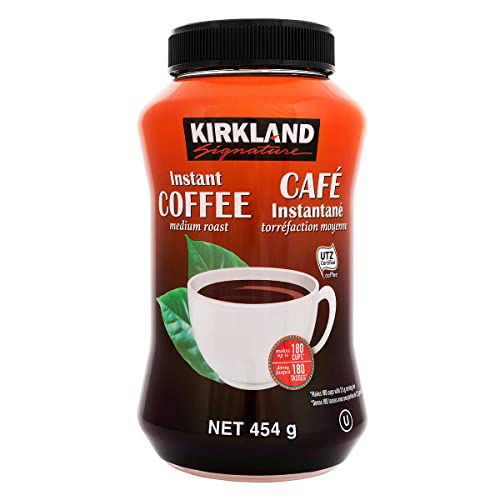
When browsing, look for descriptors of the roast. A 'Medium Roast' is generally the safest bet for instant coffee, as it strikes a balance between acidity and body. 'Dark Roasts' in the instant world can sometimes lean toward a smoky or charred flavor, which might be overwhelming if you prefer a smoother cup. If a brand specifies a blend, it is often designed to be consistent, which is a major advantage for daily drinkers who want the same taste every single morning.
Solubility and Texture
A common frustration with low-quality instant coffee is the 'clumping' effect or the presence of sediment. High-quality instant coffee should dissolve almost instantly upon contact with hot water. When choosing a product, consider the format: fine powders dissolve quickly but can become muddy, while larger granules (common in freeze-dried varieties) provide a cleaner mouthfeel. If you plan on making iced coffee, look for a variety that specifies it is 'cold water soluble' or has a very fine grain to ensure it doesn't leave clumps floating in your iced beverage.
The Value Proposition: Cost vs. Quality
The primary driver for buying generic instant coffee is value. To get the most out of your purchase, look at the weight-to-price ratio, but don't just chase the lowest price. A very cheap spray-dried coffee might require you to use two or three teaspoons to get a decent flavor, whereas a slightly more expensive freeze-dried version might only require one. Calculate the 'cost per cup' based on the recommended serving size to truly understand which brand offers the best value for your morning routine.