Understanding the Production Method: Freeze-Dried vs. Spray-Dried
The single most important factor in determining the taste and quality of your instant coffee is the extraction and drying method used. Most budget-grade instant coffees utilize spray-drying, a process where liquid coffee is sprayed through hot air. While efficient, this high heat often destroys the nuanced acidity and floral notes of the bean. When looking for a premium experience, prioritize freeze-dried coffee. This method involves freezing the coffee extract and then using a vacuum to sublimate the ice directly into vapor. This preserves the structural integrity of the flavor compounds, resulting in a granule that dissolves cleanly while maintaining a profile much closer to freshly brewed pour-over coffee.
Single-Origin vs. Blends
Just like whole-bean coffee, instant coffee can be categorized by its source. If you are a fan of bright, citrusy, or acidic notes, look for single-origin options, perhaps from Ethiopia or Kenya. These provide a consistent, identifiable character. However, if you prefer a balanced, heavy-bodied cup with chocolatey or nutty undertones, a blend is often the better choice. Premium instant brands often blend beans from different regions to create a 'signature' profile that remains consistent in every jar. Decide whether you want to explore a specific terroir or enjoy a reliable, multi-layered flavor profile that complements milk and sweeteners.
Solubility and Texture
A common frustration with low-quality instant coffee is the presence of 'sludge' or undissolved micro-particles at the bottom of the mug. High-quality instant coffee should feature uniform granules that dissolve almost instantly upon contact with hot water. Pay attention to the texture of the granules. They should be crystalline and clean. Furthermore, consider the 'crema' or foam. While true espresso crema is difficult to replicate with instant, premium freeze-dried varieties often produce a fine, micro-bubble layer on the surface that enhances the aromatic experience when you take your first sip.
Aroma Retention and Packaging
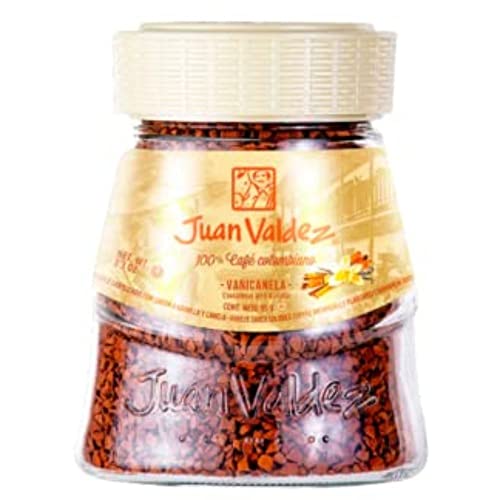
Because instant coffee is a concentrated extract, it is highly sensitive to oxygen and moisture. The moment you open the container, the degradation process begins. To ensure your coffee stays fresh for more than a week, look for packaging that goes beyond a simple plastic tub. Glass jars with airtight seals or high-quality aluminum tins are superior for protecting the delicate oils from oxidation. If you are buying in bulk, ensure the packaging is resealable and opaque to prevent light from breaking down the flavor compounds.
Flavor Profiles and Intensity
Finally, define your strength requirements. Some instant coffees are formulated to be 'light' and refreshing, perfect for iced coffee or as a base for lattes. Others are 'dark roasted' and intense, designed to cut through heavy cream or oat milk without losing their identity. When reading descriptions, look for specific tasting notes—such as 'caramel,' 'dark cocoa,' or 'berry'—rather than generic terms like 'strong' or 'bold.' This specificity is a hallmark of a brand that understands the chemistry of its roast.