Understanding Volume and Capacity
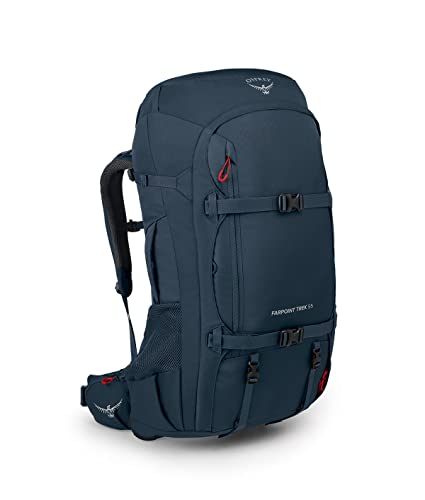
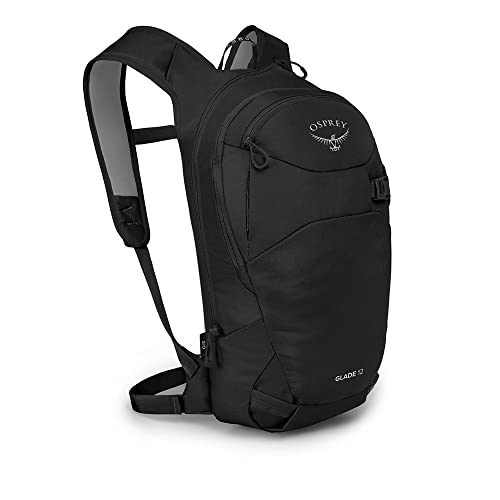
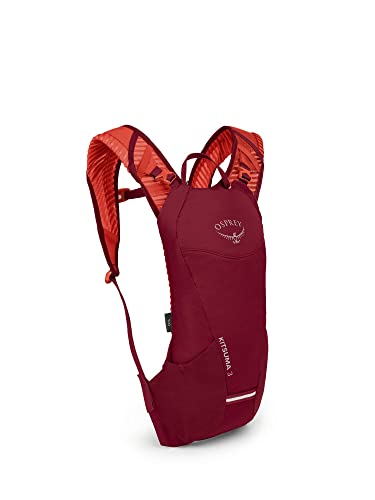
The first decision factor is capacity, measured in liters. In the European context, where many hikers utilize public transit or smaller mountain huts, you must balance storage needs with weight efficiency. For day hikes or light summit pushes, look for packs in the 18 to 30-liter range. These are agile and won't throw off your center of gravity on technical terrain. For multi-day trekking where you are carrying camping gear, sleeping bags, and stove systems, you will need to step up to the 45 to 65-liter category. If your expeditions involve long-distance thru-hiking where every gram counts, prioritize high-volume packs that utilize lightweight materials without sacrificing the integrity of the internal frame.
The Importance of Suspension and Fit
The 'internal frame' is the backbone of the pack, and Osprey excels at making this system adjustable. A critical feature to look for is the adjustable torso length. Unlike fixed-frame packs, many premium Osprey models allow you to slide the harness up or down to match your exact spine length. This ensures that the load-bearing hip belt sits precisely on your iliac crest, transferring the weight from your shoulders to your hips—where it belongs. When testing a pack, pay close attention to the harness: it should contour to your chest without creating pressure points, and the shoulder straps should feel integrated into the frame rather than feeling like an afterthought.
Ventilation and Back Panel Technology
European summers can be surprisingly humid, and a poorly ventilated pack can lead to excessive sweating and discomfort. Osprey often utilizes specialized mesh suspension systems that create a literal air gap between your back and the pack body. When selecting a model, decide if you prioritize a 'close-to-back' fit for maximum stability on technical climbs, or an 'air-mesh' suspension for maximum cooling during long, steady ascents. If you are trekking through warmer Mediterranean climates, the ventilated mesh back panel is a non-negotiable feature for temperature regulation.
Access Patterns and Organization
How you access your gear dictates how much time you spend fumbling at the side of a trail. Traditional top-loading packs are excellent for weight distribution and simplicity, but they can be frustrating if you need to reach something at the bottom. Look for packs that offer 'U-zip' access or front panel openings, which allow you to access the main compartment without unpacking everything. Additionally, check for specialized organizational features such as dedicated hydration sleeve compatibility, quick-access hip belt pockets for snacks or GPS units, and reinforced attachment points for trekking poles or ice axes.
Durability and Environmental Resilience
Finally, consider the terrain. If you are frequenting the rocky, abrasive trails of the Alps, look for packs with high-denier nylon on the bottom panel to prevent punctures. Osprey’s reputation is built on weather resistance, so ensure your chosen model features high-quality zippers and water-resistant coatings. While most internal frame packs are not fully waterproof, the ability to withstand a sudden mountain downpour is essential for protecting your electronics and dry layers.