Understanding Volume and Capacity
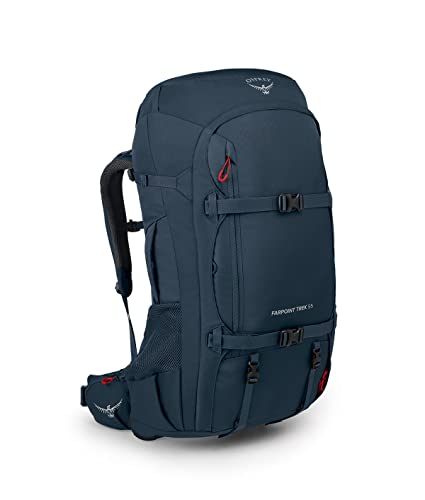
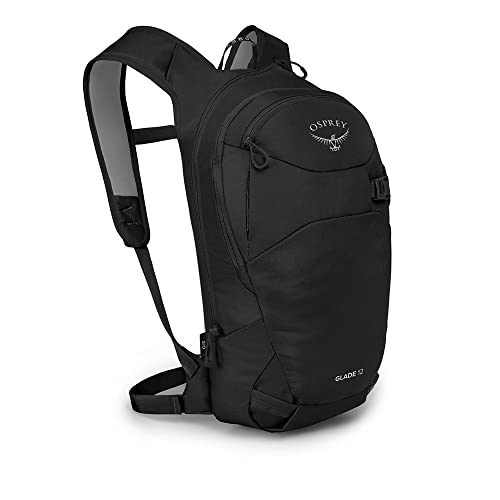
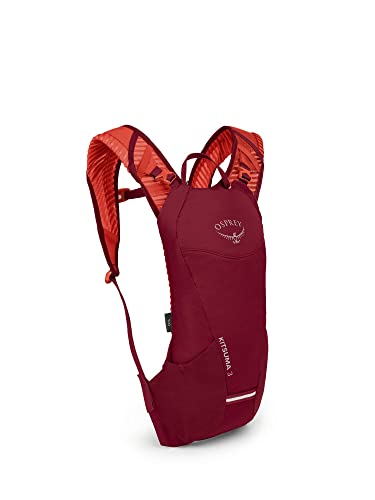
The first decision in selecting an Osprey internal frame pack is determining the appropriate volume (measured in liters) for your intended trip duration. For lightweight day hikes or quick overnight excursions, a capacity between 20 and 35 liters is ideal. These packs are nimble and won't hinder your movement on technical terrain. However, if you are planning a multi-day thru-hike through the Alps or the Pyrenees, you should look toward the 50 to 70-liter range. This provides enough space for seasonal clothing, cooking gear, and sufficient water reserves. Always consider the 'weight-to-volume' ratio; a larger pack invites you to overpack, which can negate the benefits of a high-end suspension system.
The Importance of the Suspension System
The hallmark of a premium internal frame backpack is how it manages load transfer. Osprey utilizes sophisticated tensioned mesh and articulated frames to ensure the pack moves with your body rather than against it. When evaluating a pack, look closely at the hip belt. A high-quality internal frame pack should transfer roughly 70-80% of the weight to your iliac crest (the top of your hips), leaving your shoulders to handle only the balance of the load. Look for models with adjustable torso lengths; since European body types vary, the ability to fine-tune the distance between the shoulder straps and the hip belt is essential for preventing chafing and ensuring the center of gravity remains stable.
Access Points and Organizational Logic
Efficiency on the trail often depends on how quickly you can access your gear without unpacking the entire bag. Modern Osprey designs offer a variety of access styles. Front-loading 'U-zip' access is highly coveted for those who want to reach items at the bottom of the pack without digging. Top-loading is the traditional standard for durability and water shedding, but it can be cumbersome for frequent access. Additionally, check for dedicated hydration sleeve compatibility and external attachment points (daisy chains) for trekking poles or ice axes. For European trekkers who often transition from hiking to village stays, integrated rain covers and quick-access hip belt pockets for maps or snacks are significant value-adds.
Durability and Weather Resistance
European weather can be notoriously unpredictable, shifting from intense sun to torrential rain in a matter of minutes. While most high-end internal frame packs are constructed from high-tenacity nylon, you should prioritize models with reinforced base fabrics to handle being dropped on granite or abrasive soil. While many packs feature DWR (Durable Water Repellent) coatings, they are rarely fully waterproof. Therefore, look for packs that include integrated rain covers or possess enough internal volume to allow for organized dry-bag usage. The longevity of the zippers and the strength of the stitching on the load-lifter straps are also key indicators of a pack that will survive years of heavy use.
Recommendation Logic
To make your final selection, match the pack to your primary terrain. If your hiking is characterized by rapid movement and technical scrambling, prioritize a lightweight, streamlined pack with a slim profile. If your goal is heavy-duty backpacking with significant food loads, prioritize a pack with a robust, heavy-duty frame and a heavily padded hip belt. Always prioritize fit over features; a pack with every conceivable pocket is useless if the suspension system does not align perfectly with your torso length.