#TOP1

Japanese garden design is an intricate discipline where architecture, landscape, and spirituality converge. Whether you are a professional landscape architect, a student of Zen philosophy, or a dedicated hobbyist looking to transform a backyard into a sanctuary, finding the right literature is essential. Unlike general gardening manuals that focus on soil pH and pruning schedules, books on Japanese garden architecture delve into the spatial relationships between structures—such as tea houses, stone lanterns, and bridges—and the natural elements they inhabit. This guide will help you navigate the diverse landscape of botanical and architectural literature to find the specific volume that matches your design intent.
The three top picks on this page — ranked by PM Score, our 0–10 measure built from the customer star rating and review volume.



| SELLER | SELLER SCORE | AMAZON FULFILLED | PRIME | FREE SHIPPING |
|---|---|---|---|---|
| Amazon.com | 9.68 | Yes | Yes | Yes |


| SELLER | SELLER SCORE | AMAZON FULFILLED | PRIME | FREE SHIPPING |
|---|---|---|---|---|
| Amazon.com | 9.68 | Yes | Yes | Yes |

| SELLER | SELLER SCORE | AMAZON FULFILLED | PRIME | FREE SHIPPING |
|---|---|---|---|---|
| Amazon.com | 9.68 | Yes | Yes | Yes |


| SELLER | SELLER SCORE | AMAZON FULFILLED | PRIME | FREE SHIPPING |
|---|---|---|---|---|
| Amazon.com | 9.68 | Yes | Yes | Yes |


| SELLER | SELLER SCORE | AMAZON FULFILLED | PRIME | FREE SHIPPING |
|---|---|---|---|---|
| Amazon.com | 9.68 | Yes | Yes | Yes |

| SELLER | SELLER SCORE | AMAZON FULFILLED | PRIME | FREE SHIPPING |
|---|---|---|---|---|
| Amazon.com | 9.68 | Yes | Yes | Yes |


| SELLER | SELLER SCORE | AMAZON FULFILLED | PRIME | FREE SHIPPING |
|---|---|---|---|---|
| Amazon.com | 9.68 | Yes | Yes | Yes |

| SELLER | SELLER SCORE | AMAZON FULFILLED | PRIME | FREE SHIPPING |
|---|---|---|---|---|
| Amazon.com | 9.68 | Yes | Yes | Yes |

| SELLER | SELLER SCORE | AMAZON FULFILLED | PRIME | FREE SHIPPING |
|---|---|---|---|---|
| Amazon.com | 9.68 | Yes | Yes | Yes |


| SELLER | SELLER SCORE | AMAZON FULFILLED | PRIME | FREE SHIPPING |
|---|---|---|---|---|
| Amazon.com | 9.68 | Yes | Yes | Yes |

| SELLER | SELLER SCORE | AMAZON FULFILLED | PRIME | FREE SHIPPING |
|---|---|---|---|---|
| UPICK MARKETING LLC | 8.98 | No | No | No |

| SELLER | SELLER SCORE | AMAZON FULFILLED | PRIME | FREE SHIPPING |
|---|---|---|---|---|
| Amazon.com | 9.68 | Yes | Yes | Yes |


| SELLER | SELLER SCORE | AMAZON FULFILLED | PRIME | FREE SHIPPING |
|---|---|---|---|---|
| No | No | No |


| SELLER | SELLER SCORE | AMAZON FULFILLED | PRIME | FREE SHIPPING |
|---|---|---|---|---|
| Amazon.com | 9.68 | Yes | Yes | Yes |


| SELLER | SELLER SCORE | AMAZON FULFILLED | PRIME | FREE SHIPPING |
|---|---|---|---|---|
| Amazon.com | 9.68 | Yes | Yes | Yes |
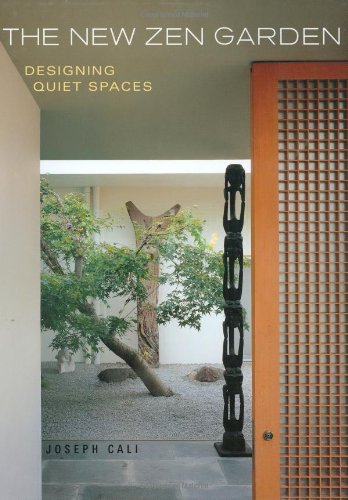
The New Zen Garden: Designing Quiet Spaces
| SELLER | SELLER SCORE | AMAZON FULFILLED | PRIME | FREE SHIPPING |
|---|---|---|---|---|
| glenthebookseller | 9.96 | No | No | No |
You might wonder if a book about landscaping can actually change the energy of your home, but The New Zen Garden makes a compelling case for intentional living. This Kodansha USA publication moves past simple aesthetics to explore the profound impact of designing quiet, contemplative spaces. While this particular copy is a pre-owned book, it arrives in good condition, making it an incredibly accessible way to dive into garden philosophy without a heavy investment. It feels less like a dry manual and more like a guided journey toward mindfulness through nature. Whether you have a sprawling backyard or just a small patio, the principles within help you curate a sanctuary that promotes genuine peace.

The first decision you must make is whether you are looking for visual inspiration or technical instruction. Japanese garden literature generally falls into two camps. The first is 'Coffee Table' or 'Pictorial' books. These are high-quality, large-format volumes filled with professional photography. They are invaluable for understanding the 'mood' of a garden, the play of light on moss, and the silhouette of pruned pines. However, they often lack the granular detail needed for construction.
The second category is 'Technical Manuals.' These books focus on the 'how' rather than the 'what.' They cover the structural integrity of stone arrangements, the geometry of dry landscape (karesansui) raking, and the specific architectural proportions of traditional wooden structures. If you intend to actually build or renovate, prioritize books that include diagrams, floor plans, and material lists over those that simply offer beautiful imagery.
Japanese gardening is not a monolith. It is a collection of distinct traditions. When searching for a book, ensure it focuses on the specific style you wish to study:
What separates a mediocre garden book from a masterpiece is the inclusion of cultural context. A garden is not just a collection of plants. It is a physical manifestation of philosophies like Wabi-sabi (finding beauty in imperfection) or Ma (the importance of empty space). The best architectural books will explain why a certain stone is placed at a specific angle, linking the physical act to a deeper cultural meaning. If a book ignores the history of the Edo or Muromachi periods, it may offer superficial advice that fails to capture the soul of the design.
Because Japanese garden design relies heavily on subtle textures—the grain of weathered wood, the softness of moss, the ripple of water—the print quality of your book matters. For visual learners, look for books that mention high-fidelity color reproduction. For those studying architecture, look for books that feature detailed line drawings, top-down site maps, and cross-section diagrams of garden features. A book that only shows finished gardens without showing the structural 'skeleton' underneath will be of limited use for actual design work.
Quick answers about Japanese Garden Books before you buy.
Share of top-ranked products by brand, from our rankings.
We compared Japanese Garden Books products using product details and customer ratings to identify the best options in the crafts, hobbies & home. The top brands in this selection include kodansha international, design originals, phaidon press, pie international, tuttle publishing, lorenz books, kodansha usa and houghton mifflin harcourt and stone bridge press.
From that comparison we shortlisted the top 16 Japanese Garden Books for this page. The sellers featured here include amazon.com and glenthebookseller and upick marketing llc.
We aim to help you find the right architecture products for your needs and save you time when choosing which Japanese Garden Books to buy.
Compare the top 16 picks at a glance — select a column to sort.


