Prioritize the Protein Source
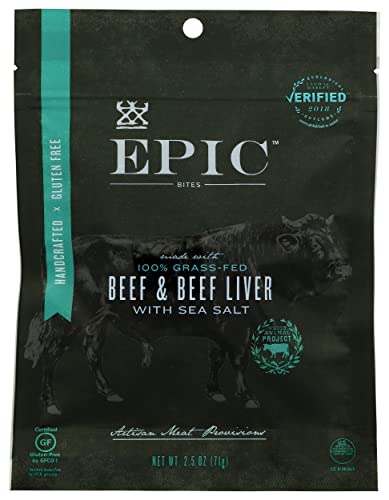
The first and most significant decision factor is the type of meat used. While beef is the industry standard, epic provisions differentiates itself by offering diverse protein bases like bison, venison, and even salmon. Each of these carries different nutritional profiles and culinary experiences. Beef is generally the most robust and familiar, offering a reliable fat-to-protein ratio. Bison, however, is often leaner and slightly sweeter, making it an excellent choice for those watching their caloric intake without sacrificing satiety. Venison provides an even leaner, more gamey profile that appeals to those seeking a more traditional, wild-caught flavor. If you are looking for something entirely different, their fish-based options offer a lighter, omega-rich alternative that breaks the mold of traditional dried meats.
Understand the Flavor Profiles and Seasoning Styles
Jerky is as much about the marinade as it is about the meat. Because this brand avoids the heavy, cloying sweetness found in many commercial snacks, the flavors tend to be more sophisticated and herb-forward. You will generally encounter three distinct seasoning styles. First, there are the savory-salty profiles, often utilizing sea salt and black pepper, which are ideal for replenishing electrolytes after physical exertion. Second, there are the spicy iterations, which use real chili peppers to provide a heat that lingers without being overwhelming. Finally, there are the more complex, worldly blends that might incorporate ingredients like ginger, garlic, or citrus. When choosing, consider your tolerance for heat and whether you want a snack that stands alone or one that complements other foods.
Texture and Cut: Strips vs. Bites
Texture is a highly subjective but critical component of the snacking experience. Most jerky comes in long, thin strips that require more chewing, which can actually be beneficial for satiety as it slows down your eating process. This is the classic jerky experience. On the other hand, many premium brands are moving toward 'meat bites' or 'chunks.' These are pre-cut, bite-sized pieces that are much more convenient for quick consumption on the move. If you are hiking a steep incline or driving, bites are much more practical. If you prefer a more meditative, slow-eating snack, the traditional strips are the way to go. Pay attention to the moisture content as well. Some varieties lean toward a 'tender' texture, while others are more traditionally tough and chewy.
Nutritional Integrity and Ingredient Transparency
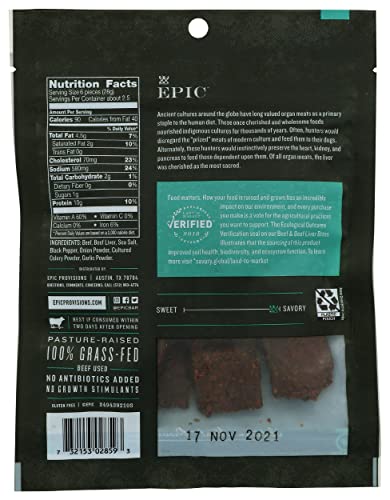
The primary reason to choose this specific category of jerky is the clean label. When reviewing your options, always check the ingredient list for 'hidden' additives. A high-quality jerky should prioritize whole foods. Look for products that use coconut aminos instead of soy sauce to remain paleo-compliant, and ensure that the sweeteners used are minimal or derived from natural sources like honey or maple syrup. The goal is to find a snack that provides sustained energy through protein and healthy fats rather than a quick spike and crash caused by refined sugars. A truly premium jerky should leave you feeling fueled, not weighed down.