Understanding Link Styles and Aesthetics
The first decision in selecting a chain is the link architecture. The shape and size of the links dictate how the jewelry catches the light and how it moves against the skin. For lightweight, feminine designs, Cable chains are the industry standard, offering a classic, uniform look. If you are looking for something more textured or vintage-inspired, Rolo chains provide slightly thicker, rounded links that offer a more substantial feel. For high-end, fluid movement, Snake chains or Belcher chains offer a seamless, almost liquid appearance, though they require more careful handling to avoid kinking. When choosing, consider the 'drape'—how the chain hangs. A heavy curb chain will sit flat and rigid, whereas a fine box chain will contour gracefully to the neckline.
Material Composition and Longevity
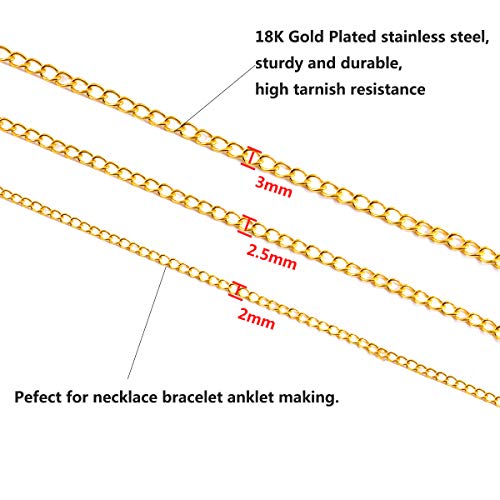
The material of your chain is the most significant factor in both cost and longevity. If you are creating fine jewelry intended for daily wear, look for high-karat gold or sterling silver. However, for fashion jewelry or prototype work, plated metals are often more economical. When evaluating plated chains, pay close attention to the base metal. A high-quality gold-filled or heavy gold-plated chain will resist tarnishing and wear much longer than a thin flash-plated alternative. If your project involves water contact or skin sensitivity, prioritize hypoallergenic metals like surgical steel or high-grade stainless steel, which offer incredible durability and resistance to oxidation without the premium price tag of precious metals.
Gauge, Weight, and Structural Integrity
A common mistake in jewelry making is choosing a chain that is too fine for the pendants or charms being attached to it. You must consider the 'gauge' (the thickness of the wire) and the overall weight of the chain. A heavy, ornate pendant will stretch or snap a delicate micro-link chain. Conversely, using a heavy-duty curb chain for a tiny seed-pearl pendant can look unbalanced and clunky. Always calculate the total weight of your components to ensure the chain's tensile strength can support the load. Furthermore, check the closure mechanism. A chain is only as strong as its weakest link, so ensure the jump rings and clasps are appropriately sized for the chain's thickness.
Application-Specific Selection Logic
To streamline your decision-making, use the following logic based on your project goals:
- For Minimalist Jewelry: Opt for fine-gauge cable or box chains in sterling silver or gold to maintain a subtle, elegant profile.
- For Statement Pieces: Select thicker curb or figaro chains that can withstand the weight of large charms and provide a bold visual anchor.
- For Bracelets: Prioritize flexibility and comfort. Rolo or wheat chains offer excellent movement, ensuring the bracelet doesn't feel stiff on the wrist.
- For Durability/Active Wear: Focus on stainless steel or heavy-duty plated chains that can withstand friction and moisture.
By matching the link style to your aesthetic and the material to your budget and use case, you ensure your jewelry looks professional and lasts for years to come.