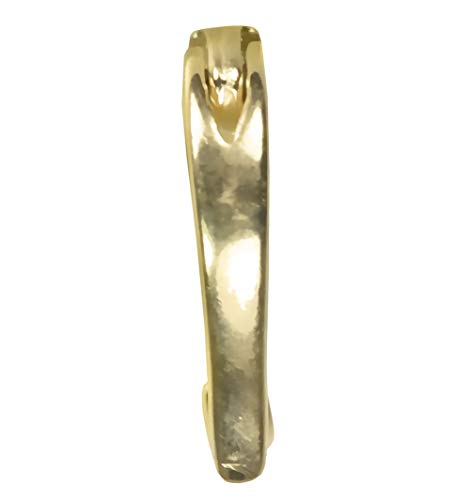
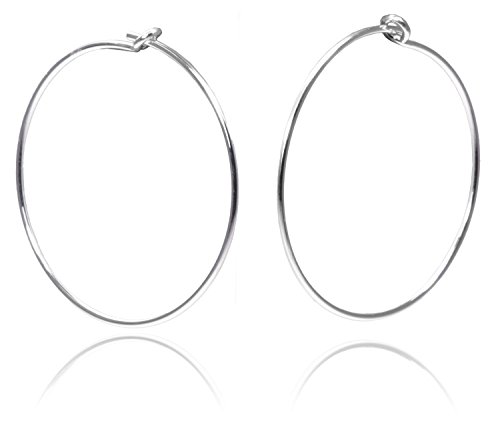
The most critical decision factor when selecting findings is the base metal and its plating. For high-end or professional jewelry, look for findings made from precious metals like sterling silver, 14k gold, or gold-filled materials. These options offer superior longevity and are hypoallergenic, which is vital for components that sit directly against the skin, such as earring hooks and necklace clasps. If you are working on costume jewelry, ensure that base metals like brass or copper are well-plated to prevent rapid oxidation and skin discoloration. Always check if the findings are nickel-free, as nickel sensitivity is a common issue among consumers.
Evaluate the Mechanical Integrity of Clasps
A clasp is the most high-stress component of any necklace or bracelet. When choosing clasps, test the tension of the spring mechanism. Lobster claws should snap shut firmly and stay closed without wobbling, while spring ring clasps should have a smooth, consistent action. For delicate designs, you might opt for toggle clasps, which offer a decorative element, but remember that these require a certain level of structural stability in the chain to prevent the toggle from slipping through. The thickness of the metal in the clasp should be proportionate to the weight of the pendant or beads you intend to hang from it.
Size and Gauge Consistency
One of the most common mistakes in jewelry making is mismatching the gauge (thickness) of findings with the rest of the assembly. Jump rings, for instance, come in various thicknesses. A heavy stone pendant requires a thick, sturdy jump ring to prevent the metal from pulling open under tension. Conversely, using a thick jump ring on a fine silk thread or a delicate chain can look clunky and ruin the design's flow. When purchasing findings in bulk, ensure that the gauge is consistent across the entire batch to maintain a professional, uniform look in your production.
Aesthetic Finish and Surface Quality
Findings should complement, not compete with, your gemstones or beads. Look for findings with a high-quality polish that reflects light similarly to your focal stones. A matte-finished finding can provide a modern, organic look, while a high-polish finish is better for traditional, formal pieces. Inspect the findings for any visible seams, burrs, or irregularities in the plating. Smooth, well-finished edges are essential, especially for ear wires and crimp beads, to ensure they do not snag on clothing or irritate the wearer.
Organizational Efficiency for Makers
For serious hobbyists and professional designers, the way findings are packaged matters. Look for findings that come in organized, compartmentalized containers or high-quality storage trays. This not only helps in maintaining an efficient workspace but also prevents smaller components like crimp beads or tiny jump rings from becoming lost or mixed with larger components. Buying in bulk is often more cost-effective, but ensure the quantity aligns with your current project scale to avoid tying up capital in unused inventory.