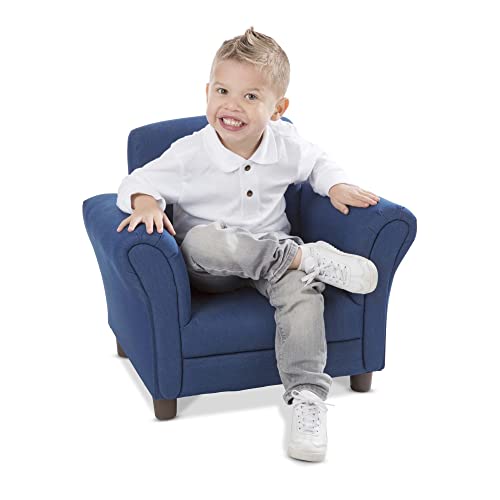
Prioritize Scale and Ergonomics
The most common mistake when purchasing kids' armchairs is choosing something that is too large. A chair that is too deep or too wide forces a child to slouch or sit awkwardly, which can lead to poor posture over time. Look for armchairs where the child's feet can touch the floor while they are seated, and where the backrest provides support up to the shoulder blades. For a group setting, such as a reading circle, ensure the chairs have a consistent footprint so they can be arranged in a semi-circle without taking up excessive floor space.
Material Selection: Soft vs. Structured
The 'feel' of the chair will dictate how it is used. Plush, foam-filled beanbag-style armchairs are excellent for relaxation and sensory comfort, making them ideal for nap times or quiet reading. However, these can lack the structure needed for tasks like drawing or eating a snack. If you need the chairs to serve multiple purposes, look for structured armchairs made of high-density foam or lightweight wood frames. These provide a stable base that won't collapse under movement, making them better suited for high-energy environments.
The 'Spill Test': Fabric and Maintenance
Children are inherently messy. When evaluating armchairs, the fabric choice is arguably more important than the color. Avoid delicate velvets or light-colored cottons that act like sponges for juice, crumbs, and markers. Instead, prioritize performance fabrics such as polyester blends, faux leather, or treated canvas. The gold standard for kids' furniture is a removable, machine-washable cover. If a chair is heavily padded, ensure the cover is easy to zip off without compromising the internal shape of the chair. Faux leather is particularly effective because it can be wiped down with a damp cloth in seconds, making it the best choice for multi-use play areas.
Safety and Durability Standards
Kids' furniture undergoes significantly more stress than adult furniture. They jump, slide, and occasionally use chairs as climbing frames. Check for stability. A chair with a wide, low center of gravity is less likely to tip over if a child leans too far back. Avoid chairs with small, detachable parts or sharp decorative elements that could become choking hazards or cause injury. If you are purchasing a set of eight, ensure the construction is uniform across all units so that they stack or nest together neatly, preventing tripping hazards in the room.
Aesthetic Cohesion for Group Settings
When buying multiple armchairs, consider the visual impact on the room. While a mix of colors can create a vibrant, stimulating environment for a playroom, a uniform color palette can make a space feel more organized and calming—which is often preferred for reading corners or educational settings. If you want a pop of color without the chaos, choose neutral-toned chairs with colorful accent pillows to allow for easy updates as the child's tastes change.
Ready to choose?
Jump back to our ranked picks or compare the shortlist side by side.