Prioritizing Fabric Texture and Skin Sensitivity
When shopping for synthetic bedding, the most critical factor is the 'hand-feel' of the fabric. While 'synthetic' is often a broad term, the quality of the weave makes a massive difference. Look for high-quality microfiber, which uses extremely fine filaments to create a velvety, soft texture that mimics the feel of brushed cotton. For children with sensitive skin, avoid cheap, scratchy polyesters that can cause irritation during sleep. Instead, seek out 'brushed' finishes. A brushed microfiber set will feel much warmer and softer against the skin, providing that comforting cocoon effect that helps kids settle into sleep more easily.
Durability and Washability Factors
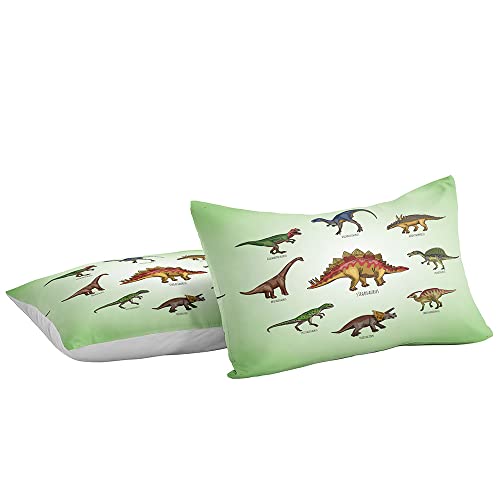
Kids' bedding is subject to frequent spills, stains, and heavy laundering. This is where synthetic sets truly shine compared to organic alternatives. When evaluating a set, consider its resistance to shrinking and fading. High-quality synthetic fibers are thermoplastic, meaning they hold their shape incredibly well even after dozens of cycles in a high-heat dryer. Look for sets that explicitly mention colorfastness. Because synthetic fibers take dye differently than cotton, a well-made set will maintain its bright dinosaur, galaxy, or floral patterns without looking washed out after a month of use. Additionally, check if the set is wrinkle-resistant. A set that comes out of the dryer ready to go onto the bed saves parents significant time and frustration.
Pattern Integrity and Aesthetic Longevity
Because synthetic fabrics allow for advanced digital printing techniques, the visual appeal of these sets is often superior to traditional woven fabrics. You can find incredibly intricate, high-definition graphics that don't lose their detail. However, a smart buying strategy is to choose patterns that grow with the child. While a toddler might love a specific cartoon character, a geometric print or a subtle celestial pattern in a synthetic microfiber might transition more smoothly from the preschool years into elementary school. This longevity ensures you aren't replacing the entire bedding set every single year.
Evaluating the Set Components
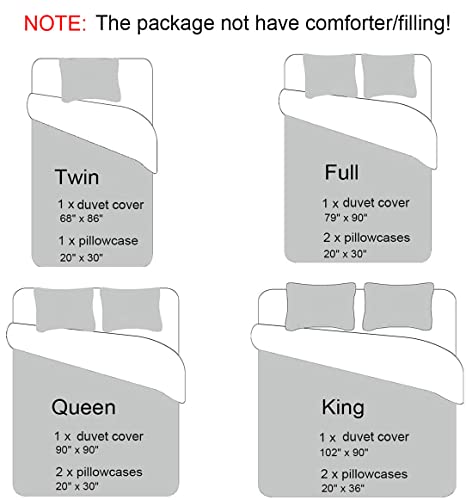
A true duvet cover set should provide a complete bedding solution. Beyond the duvet cover itself, pay close attention to what is included in the package. A standard set should include at least one matching pillowcase, but for children's beds, having a set that includes two pillowcases or even a coordinating decorative sham is a significant value add. Check the closure mechanism of the duvet cover as well. Zipper closures are often more secure and prevent the duvet insert from sliding out during tossing and turning, whereas button closures offer a more classic look but can sometimes be difficult for younger children to manage if they are helping make their own bed.
Summary Recommendation Logic
To make the best decision, follow this hierarchy: First, select a fabric weight that matches your climate (thinner microfibers for summer, heavier brushed finishes for winter). Second, prioritize easy-care instructions to ensure the set survives the laundry. Third, choose a pattern that balances immediate excitement with long-term usability. By focusing on these three pillars, you will find a synthetic duvet set that provides both comfort for the child and convenience for the parent.