Prioritize Material Durability and Safety
The first decision point for any play tram set is the material composition. For toddlers and younger preschoolers, wooden sets are the gold standard. Wood offers a tactile, sensory experience and is incredibly resilient to the inevitable drops and bumps of heavy play. Look for water-based, non-toxic finishes to ensure safety during close-range play. For older children, plastic sets often provide more intricate detailing and complex mechanisms, such as battery-operated engines or magnetic coupling systems. If you opt for plastic, ensure the edges are rounded and the material is BPA-free to maintain a safe environment.
Evaluate Track Compatibility and Scalability
One of the most common pitfalls in purchasing tram sets is buying a 'closed' system. A closed system is a set that only works with its own specific tracks, meaning once your child outgrows the initial set, the entire collection becomes obsolete. Instead, look for sets that offer scalability. High-quality sets are designed to be modular, allowing you to purchase expansion packs, bridges, tunnels, and additional junctions later on. Check if the tracks use a standard gauge or if they are compatible with other major wooden railway brands. This compatibility ensures that your child's transit empire can grow alongside their imagination.
Consider Complexity and Mechanical Features
The 'play value' of a tram set is directly linked to its mechanical complexity. Basic sets might simply involve a wooden track and a few carriages, which is perfect for developing early hand-eye coordination. However, as children age, they crave more interaction. Look for sets that incorporate:
- Magnetic Couplers: These allow children to easily connect and disconnect carriages, teaching cause and effect.
- Elevation and Terrain: Sets that include ramps, bridges, or mountain tunnels add a three-dimensional layer to play that prevents boredom.
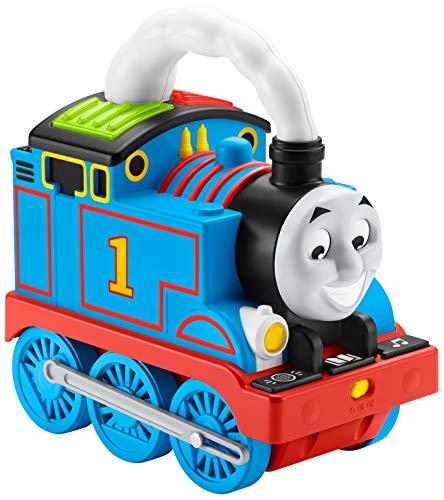
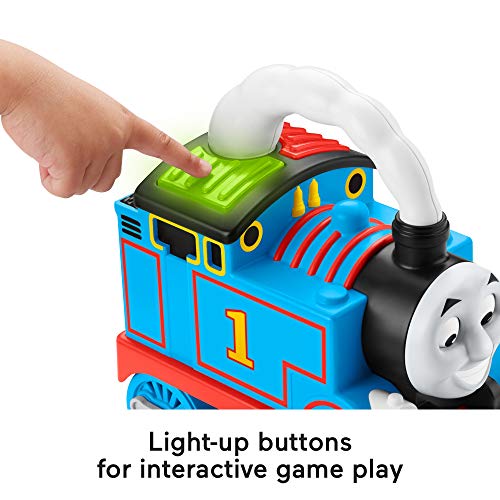
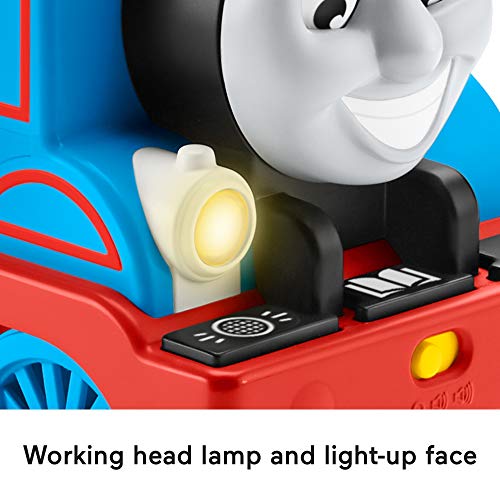
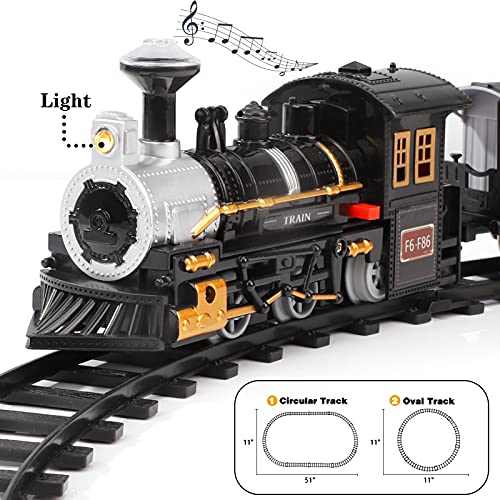
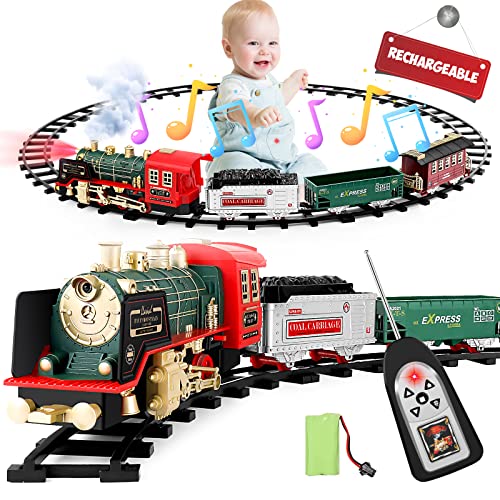
- Sound and Light: For younger children, an engine that chuffs or lights up can provide immense sensory engagement, though be wary of sets that are too loud for quiet play periods.
Assess Space and Storage Requirements
Before clicking purchase, measure your floor space. Large-scale tram sets with sprawling loops can quickly overwhelm a small apartment or a bedroom. If space is at a premium, look for 'compact' or 'vertical' sets that utilize multi-level tracks to maximize play area without maximizing footprint. Furthermore, consider the storage aspect. A set that comes with a dedicated storage bin or features modular pieces that snap together easily into a compact shape will save you significant frustration during cleanup time. A set that is too difficult to pack away will likely end up as a permanent, tripping hazard in your hallway.
Recommendation Logic
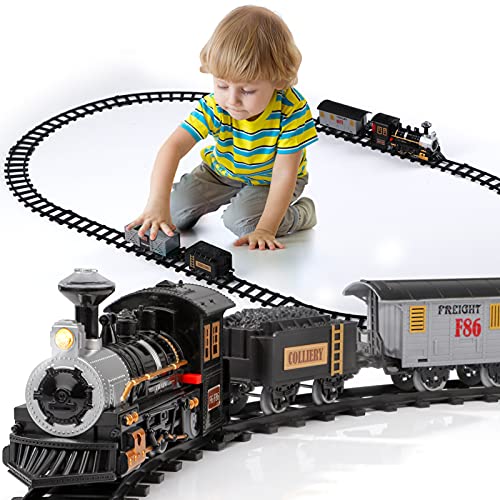
When deciding between options, follow this hierarchy: If the child is under 3, prioritize wooden, chunky, and magnetic sets. If the child is 4-7, prioritize sets with high modularity and complex scenery like stations and bridges. If the child is 8+, look for high-detail sets that might include battery-powered movement or complex electric circuitry. Always choose the set that offers the most 'open-ended' play, meaning the child can build their own layouts rather than being forced to follow a single, pre-determined path.