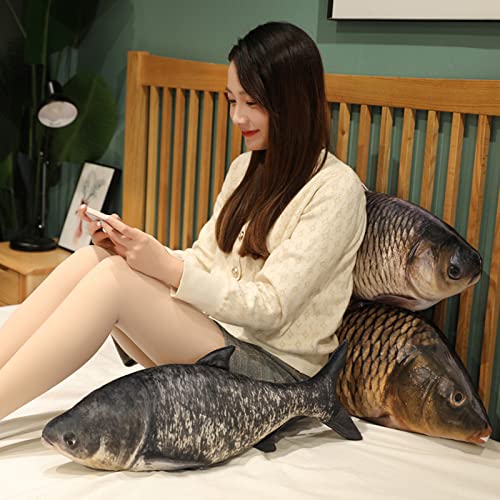
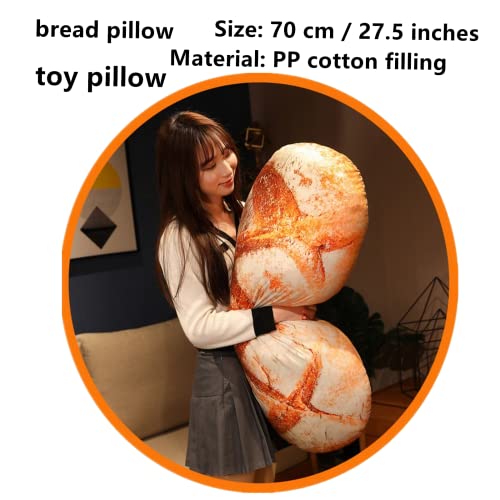
Prioritize Fabric Softness and Skin Sensitivity
The most critical factor in a kids' plush pillow is the 'hand-feel' of the exterior fabric. Since these items will be in direct contact with a child's face and skin for extended periods, the material must be exceptionally soft to prevent irritation. Look for high-quality minky fabrics, ultra-soft fleece, or premium velvet-touch synthetics. Avoid fabrics that feel scratchy or overly textured, as these can cause discomfort during sleep. Additionally, consider the breathability of the material. A pillow that traps too much heat can lead to a sweaty, uncomfortable sleep environment. A high-quality plush should feel velvety and smooth, offering a soothing tactile experience that aids in sensory regulation.
Evaluate Stuffing Density and Shape Retention
A great plush pillow needs to strike a perfect balance between being 'squishy' and being supportive. If the stuffing is too sparse, the pillow will flatten quickly, losing its character shape and its ability to provide neck or back support. If it is too dense, it may become hard and uncomfortable for a child to cuddle. Look for pillows filled with high-loft polyester fiberfill or memory foam cores. Fiberfill is generally preferred for kids because it allows for a 'bounce-back' effect, meaning the pillow regains its original shape after being squeezed or slept on. Check the seams as well. High-quality construction ensures that the stuffing stays evenly distributed and doesn't clump in one corner over time.
Safety Standards and Durability
Because plush pillows are often handled roughly, thrown during playtime, or dragged around the house, durability is non-negotiable. Check for reinforced stitching, especially around the limbs or protruding parts of the character design. For younger children, safety is the paramount concern. Ensure that there are no small, detachable parts like plastic eyes or buttons that could pose a choking hazard. Ideally, look for 'embroidered' facial features, which are sewn directly into the fabric and are much safer and more durable than glued-on components. Furthermore, confirm that the materials are hypoallergenic and free from harmful dyes or chemical odors.
Consider the Functional Use Case
Before making a final decision, determine how the pillow will primarily be used. If it is intended as a decorative accent for a bed, you can prioritize unique shapes and vibrant colors. However, if the pillow is meant to be a primary sleep aid, look for a more ergonomic shape—such as a bolster style or a wider base—that can support a child's head and neck properly. For toddlers, smaller, lightweight pillows are easier to manage, whereas older children may benefit from larger, 'body pillow' style plushies that they can wrap their arms and legs around for a sense of security.
Maintenance and Washability
Let's be realistic: kids are messy. A plush pillow will eventually encounter spills, crumbs, or general grime. One of the most important decision factors is whether the pillow is machine washable. Look for products that specify they can be laundered on a gentle cycle and air-dried. Avoid pillows with delicate embellishments that might fall off in the wash. A pillow that can be easily cleaned is a pillow that will remain a hygienic and beloved part of a child's routine for years to come.