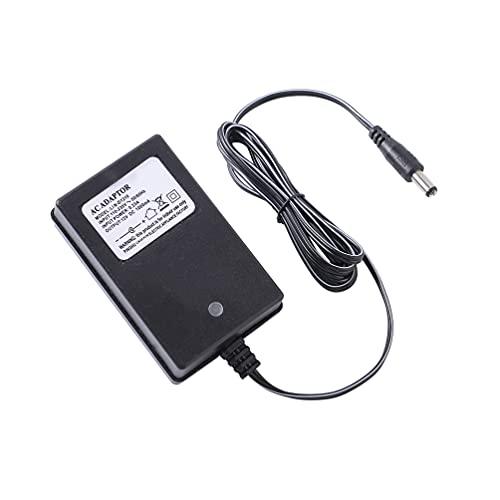
Verify Electrical Compatibility and Voltage
The most critical factor when purchasing replacement electrical components, such as motors or control boards, is the voltage rating. Most kids' ride-on vehicles operate on either 6V or 12V systems. Installing a 12V motor into a 6V circuit will result in insufficient power and potential stalling, while attempting to run a 6V component on a 12V system can lead to immediate electrical failure or even fire hazards. Always check the specifications of your existing battery and motor to ensure the replacement part matches the electrical architecture of your vehicle. Furthermore, pay attention to the RPM (revolutions per minute) ratings. A motor with a significantly higher RPM than the original may cause the vehicle to accelerate too quickly for safe supervised play.
Assess Mechanical Fit and Connector Types
Even if the voltage is correct, a part is useless if it cannot physically connect to your vehicle's existing wiring harness or chassis. When looking at replacement wiring, plugs, or switches, examine the pin configuration. Many ride-on vehicles use specific spade connectors or proprietary plastic housings that are not standardized across all brands. If you are replacing a steering column or a gear assembly, ensure the mounting points and axle diameters align with your current setup. A common mistake is purchasing a part that is electrically compatible but mechanically incompatible due to a difference in screw thread patterns or mounting bracket shapes.
Prioritize Battery Longevity and Amp-Hour Ratings
If you are replacing the power source, you must look beyond just the voltage. The Amp-hour (Ah) rating determines how long the vehicle can run before needing a recharge. A battery with a higher Ah rating will provide longer playtime, but it may also be physically larger. Before purchasing a replacement battery, measure the internal compartment of the ride-on vehicle to ensure there is sufficient clearance. Additionally, ensure the battery chemistry—typically Lead-Acid or Lithium-Ion—is compatible with your vehicle's existing charger. Using a charger designed for one chemistry on a different type can permanently damage the battery and create safety risks.
Durability and Material Quality
Kids' ride-on vehicles endure significant stress, including rough terrain, sudden stops, and heavy weight loads. When selecting replacement wheels, tires, or gearboxes, look for materials that prioritize impact resistance. For example, EVA foam tires are often preferred over hard plastic wheels because they provide better traction and a smoother ride on uneven surfaces like grass or gravel. For mechanical gears, look for reinforced nylon or metal components rather than thin plastic, as the high torque required to move a child can easily strip lower-quality gears during rapid acceleration.
Recommendation Logic
To make the best decision, follow this hierarchy: First, confirm the voltage matches your battery. Second, confirm the physical dimensions and connector types match your existing hardware. Third, choose components based on the intended environment—opt for ruggedized parts if the vehicle is primarily used outdoors. By following this systematic approach, you can transform a broken toy back into a functional centerpiece of backyard play without the need for an entirely new vehicle.