Material Composition and Surface Compatibility
The first thing to investigate is what the mural is actually made of. Most high-quality kids' murals fall into two categories: vinyl decals and non-woven fabric wallpapers. Vinyl is generally more durable and moisture-resistant, making it an excellent choice for playrooms or even lightly humid environments. However, for a truly premium look, look for 'peel-and-stick' fabric murals. These are often textured, which helps hide minor imperfections in your wall surface, and they tend to lay flatter than thin plastic stickers, preventing that unsightly 'bubbling' effect. Always ensure the adhesive is rated for the specific type of paint on your walls. Some matte finishes can be difficult for heavy adhesives to grip, while some low-quality stickers may pull the paint off when you eventually try to remove them.
Design Longevity and Age Appropriateness
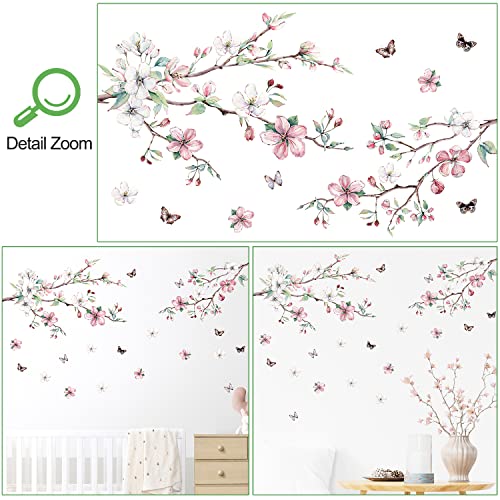
One of the biggest mistakes parents make is choosing a theme that is too 'niche' or age-specific. A mural featuring cartoon characters from a current trending show might look amazing today, but it could make the room feel outdated in just twelve months. Instead, lean toward thematic concepts. A forest, space, or ocean theme is timeless. If you want something that grows with the child, consider abstract geometric patterns or watercolor landscapes. These designs transition beautifully from a toddler's nursery to a pre-teen's bedroom. If you do opt for character-based murals, look for styles that are artistic rather than strictly commercial, as they tend to feel more like integrated decor and less like a temporary sticker.
Ease of Installation and Removal
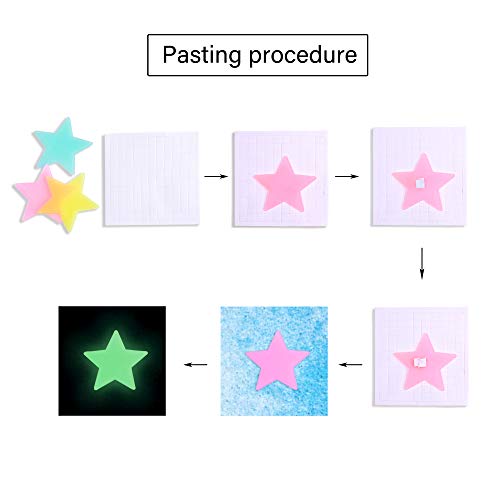
Installing a large-scale mural can be intimidating. When reading reviews and product descriptions, look for mentions of 'panelized' designs. A mural that comes in several vertical strips is much easier to manage than one single, massive sheet. Panelized murals allow you to align the pattern strip by strip, which is crucial for complex scenes like animals or landscapes where a slight misalignment can ruin the entire image. Furthermore, if you are a renter or someone who likes to update decor frequently, 'repositionable' is your most important keyword. You want a mural that allows you to peel it back and adjust it if you hit a bump, rather than a permanent adhesive that requires a steamer to remove.
Visual Scale and Color Accuracy
Before purchasing, you must visualize the scale. A mural that looks large in a product photo might look tiny on a high-ceilinged bedroom wall. Check the dimensions provided and compare them to your actual wall measurements. Additionally, be aware that colors can shift depending on the lighting in your room. A mural that looks bright and vibrant under studio lights may appear muted in a room with low natural light. To get the best result, look for murals that use high-definition printing processes, as these provide sharper details and more realistic color gradients, ensuring the mural looks like a piece of art rather than a blurry print.