Material Composition and Durability
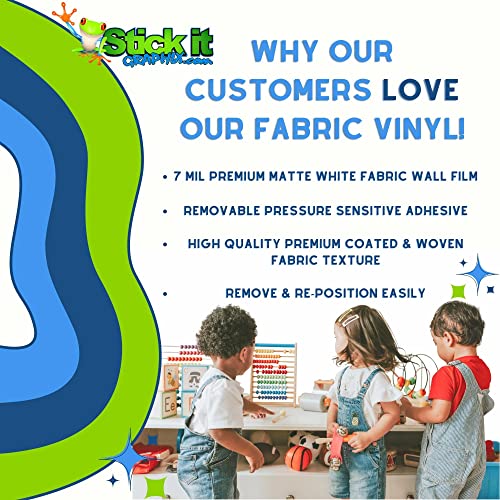
When shopping for kids' wall murals, the material is the most important factor for long-term satisfaction. You aren't just looking for color. You are looking for resilience. High-quality murals are typically made from thick, non-woven fabrics or premium vinyl. Vinyl-based murals are often superior for high-traffic areas like playrooms because they are wipeable. If a toddler decides to draw on the wall with a crayon, a high-quality vinyl surface allows you to clean the mess with a damp cloth without damaging the print. Conversely, fabric-based murals tend to offer a more matte, sophisticated finish that reduces glare from nursery lamps, making them ideal for calming sleeping environments.
Ease of Application and Removal
The 'stickit' aspect of these graphics is a double-edged sword. You want a mural that is easy to apply straight, but you also need to ensure it won't damage your drywall when it's time for a room refresh. Look for 'peel-and-stick' options that utilize pressure-sensitive adhesives. The best murals feature a 'bubble-free' application technology, often achieved through micro-perforations or specialized backing that allows air to escape as you smooth the decal down. This prevents the unsightly bumps and ridges that can ruin a large-scale scene. Furthermore, ensure the product is explicitly labeled as 'removable' to avoid the heartbreak of peeling paint when your child outgrows their dinosaur theme.
Print Quality and Color Accuracy
Because murals serve as the focal point of a room, color depth is paramount. Low-quality printing can result in 'banding'—visible lines where the printer head moved—or colors that look washed out under LED lighting. Seek out murals that utilize eco-friendly, UV-resistant inks. UV resistance is crucial because sunlight hitting a bedroom wall can cause colors to fade over a few months if the ink quality is subpar. High-definition printing ensures that the fine details—the scales on a dragon or the leaves on a tree—remain sharp and engaging, rather than looking like a blurry photograph.
Safety and Environmental Standards
Since these products are being placed in close proximity to children, safety cannot be an afterthought. Always check for certifications regarding Volatile Organic Compounds (VOCs). You want a mural that does not 'off-gas' unpleasant chemical odors into the nursery. A safe mural should be odorless and made from non-toxic materials. This is especially important in smaller, poorly ventilated rooms where air quality is a primary concern for infant health.
Theme and Scalability
Before purchasing, measure your wall twice. A mural that is too small for a large wall can look like an accidental sticker rather than an intentional design element. Consider the 'scale' of the graphics. A mural with tiny, busy patterns might feel overwhelming in a small nursery, whereas large, sweeping landscapes can make a small room feel more expansive. Choose a theme that grows with your child. While a cartoon character might be beloved today, a nature-based or celestial theme provides a more timeless backdrop that can transition from toddlerhood into the elementary school years.