Understanding Measurement Modes: Digital vs. Handheld Analog
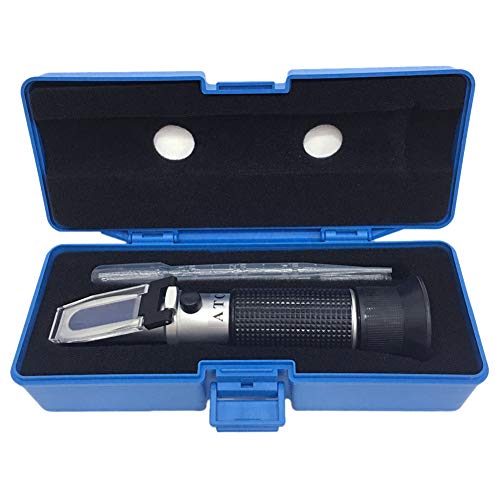
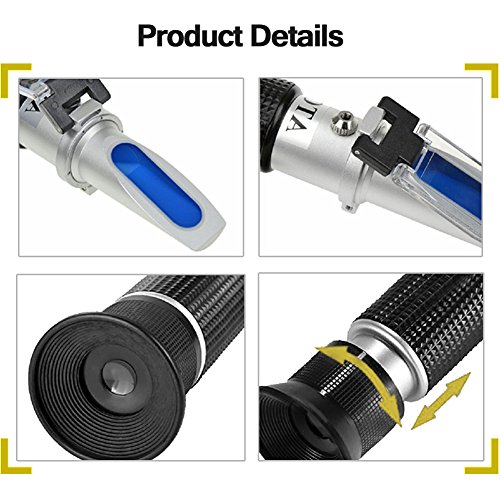
The first major decision in selecting a lab refractometer is choosing between digital readout systems and traditional handheld analog models. Digital refractometers are the gold standard for modern laboratories because they eliminate human error associated with reading a visual scale. They offer instant stabilization, meaning you don't have to wait for the light to settle to get a reading. Furthermore, digital models often include Automatic Temperature Compensation (ATC), which is vital because the refractive index of a liquid changes significantly with temperature fluctuations. Analog handheld models, while more rugged and requiring no batteries, rely on the user's ability to clearly see the boundary line between light and dark, which can lead to subjectivity and inconsistency across different technicians.
Precision and Resolution Requirements
Not all measurements are created equal. When browsing the category, you must match the instrument's resolution to your specific application. For general liquid concentration tasks, a resolution of 0.1% might suffice. However, in analytical chemistry or high-stakes quality control, you will require instruments capable of 0.01% resolution or even higher. Pay close attention to the 'accuracy' rating versus the 'resolution.' Accuracy refers to how close the reading is to the true value, while resolution refers to the smallest increment the device can detect. A high-quality lab refractometer should offer a tight tolerance that minimizes the need for constant recalibration.
The Importance of Automatic Temperature Compensation (ATC)
Temperature is the enemy of refractive accuracy. As a liquid warms or cools, its density changes, which in turn alters how light bends through it. If you are working in an environment where the ambient temperature fluctuates—such as a production floor or a lab without strict climate control—an instrument with integrated ATC is non-negotiable. ATC automatically adjusts the reading to a standard reference temperature (usually 20°C or 25°C), ensuring that your data remains comparable regardless of when the sample was taken. Without this feature, you would be forced to manually calculate temperature corrections, adding a layer of complexity and potential error to your workflow.
Sample Range and Material Compatibility
Before finalizing a purchase, define the scope of your samples. A refractometer designed to measure Brix (sugar content) may not be suitable for measuring salinity, protein concentration, or specific gravity in acids. Ensure the scale of the device covers the full range of your expected solutes. Additionally, consider the chemical compatibility of the prism surface. High-end laboratory models utilize high-quality glass or sapphire prisms that are resistant to scratching and chemical corrosion. If you are working with highly caustic or abrasive liquids, a standard plastic-coated prism will degrade quickly, leading to inaccurate readings and frequent replacements.
Calibration and Ease of Maintenance
A lab instrument is only as good as its last calibration. Look for models that feature a simple, one-point or multi-point calibration process using distilled water or standard solution buffers. The ease of cleaning the prism is also a critical factor. A smooth, easy-to-wipe surface prevents residue buildup that can cloud the optical path. Instruments that allow for quick cleaning with a soft, lint-free cloth or a specialized solvent will significantly extend the lifespan of the device and ensure consistent performance over years of heavy use.