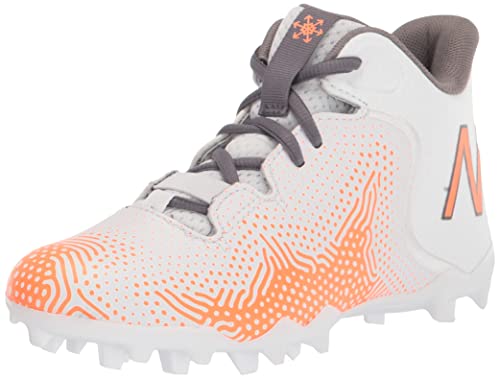
Understanding Surface Compatibility: Cleats vs. Turf Shoes
The most critical decision in selecting lacrosse footwear is the outsole configuration, which is dictated by the playing surface. Most competitive lacrosse is played on synthetic turf, which requires a specific stud pattern to ensure grip without 'locking' too deeply, which can cause knee injuries. For natural grass, longer, more aggressive studs are often preferred to prevent sliding in soft or damp conditions. If you frequently play on older, harder turf or indoor surfaces, a turf shoe with a multi-directional lug pattern offers a lower profile and better stability. Avoid using heavy, long-stud cleats on hard artificial surfaces, as the lack of 'give' can transfer excessive force directly to your joints.
Lateral Stability and Lockdown
Lacrosse involves constant side-to-side cutting. A shoe with a narrow, flimsy upper will allow your foot to slide over the edge of the sole, leading to blisters or rolled ankles. Look for footwear that features a reinforced lateral sidewall or a wide base. The 'lockdown' refers to how securely the foot stays in place during high-speed maneuvers. This is achieved through a combination of a secure lacing system and a structured heel counter. When trying on shoes, ensure there is no excess movement inside the shoe when you perform a quick lateral step. A snug, supportive fit is non-negotiable for maintaining agility.
Weight vs. Durability: The Player's Trade-off
There is an inherent tension between lightweight design and durability in lacrosse footwear. Attackers and midfielders often gravitate toward ultra-lightweight models to maximize sprinting speed and quickness. These shoes often utilize synthetic, thin materials that reduce drag. However, defensemen and long-stick players may find these too fragile. Defense involves significant physical contact, and your feet often take more punishment. For these positions, a more robust construction with reinforced toe caps and thicker upper materials is preferable. While a heavier shoe might feel slightly more sluggish, the increased durability ensures the shoe won't tear or lose its shape halfway through a demanding season.
Cushioning and Energy Return
The impact of sprinting and sudden stops can be taxing on the feet and shins. High-quality lacrosse footwear incorporates midsole technology designed to absorb shock while providing enough energy return to propel you forward. Look for EVA (Ethylene Vinyl Acetate) foam or specialized lightweight midsoles that offer a balance between softness and responsiveness. If you are prone to foot fatigue, look for models with enhanced arch support and adequate cushioning in the heel to mitigate the repetitive impact of playing on hard-packed surfaces.
Summary Recommendation Logic
To make the best choice, first identify your primary playing surface. Second, define your position: prioritize lightweight agility for offensive roles and structural durability for defensive roles. Finally, test the lateral stability. If the shoe feels like it will tilt or slide during a hard cut, move on to a model with a wider footprint and better lockdown features.