Understanding Micron Thickness and Mil
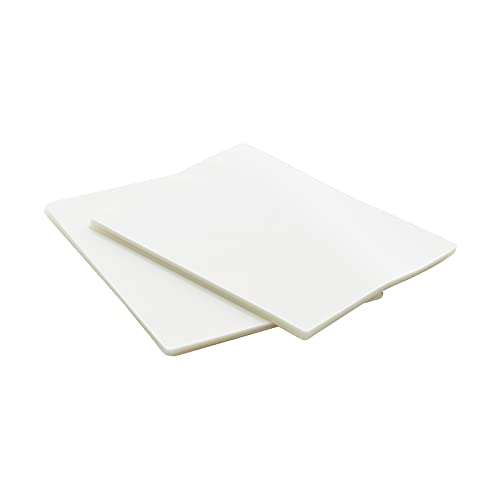
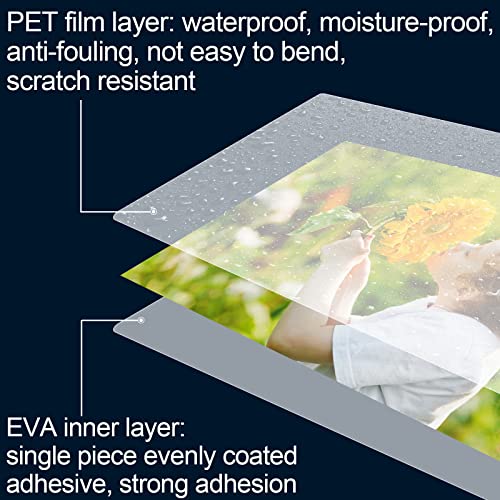
The most critical decision factor when purchasing laminating sheets is the thickness, typically measured in 'mils' or 'microns.' This measurement determines the rigidity and durability of the finished product. For standard office use, such as protecting worksheets or flyers, a 3 mil thickness is often sufficient. It provides a flexible, lightweight finish that is easy to handle. If you are creating items that will undergo heavy tactile use, such as flashcards for children or outdoor signage, you should opt for 5 mil or 7 mil sheets. These thicker options provide a much more rigid, plastic-like feel that resists bending and creasing. Be aware that as thickness increases, your laminator may require a higher temperature setting to achieve a proper seal.
Film Finish: Glossy vs. Matte
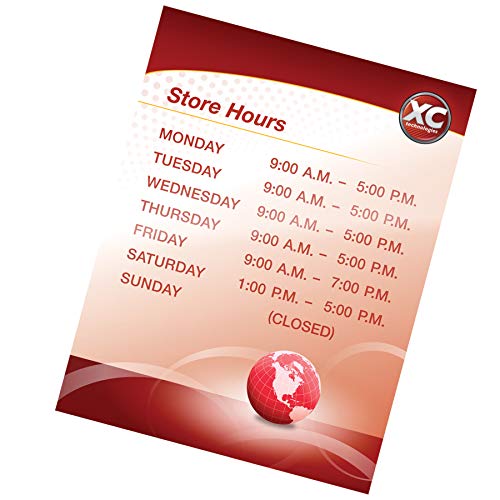
The aesthetic quality of your laminated document is dictated by the film finish. Glossy sheets are the industry standard because they enhance color vibrancy and provide a high-contrast, 'wet' look that makes images pop. They are ideal for photographs and colorful posters. On the other hand, matte laminating sheets offer a sophisticated, non-reflective surface. This is particularly useful for documents that will be viewed under bright overhead lights, such as instructional signs or menus, as it eliminates glare and improves readability. Matte film also offers a softer, more professional texture that is less prone to showing fingerprints.
Compatibility and Thermal Requirements
Not all laminating sheets are created equal when it comes to heat distribution. When selecting supplies, ensure the sheets are compatible with your specific machine type. Most consumer-grade laminators are thermal-based, meaning they rely on heat to melt the adhesive layer. Look for sheets that specify 'fast warm-up' or 'even heat distribution' properties to prevent the common issue of 'silvering,' where tiny air pockets get trapped between the film and the paper. If you are working with thicker 5 mil or higher sheets, verify that your machine is rated to handle that specific thickness. Attempting to laminate heavy-duty sheets in a light-duty machine can cause jams or overheating.
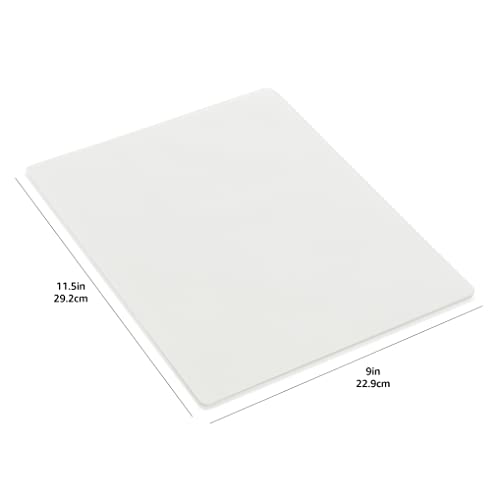
To minimize waste, match your sheet size to your most frequent project dimensions. While standard letter size is the most common for office environments, you may find it beneficial to purchase larger formats (like A3 or legal size) if you plan on creating larger displays. Some users prefer pre-cut pouches, which are convenient for single sheets, while others prefer continuous rolls for custom-length projects. For most home and small office applications, pre-cut pouches provide the most consistent results and the easiest workflow.