Understanding Materiality and Light Diffusion
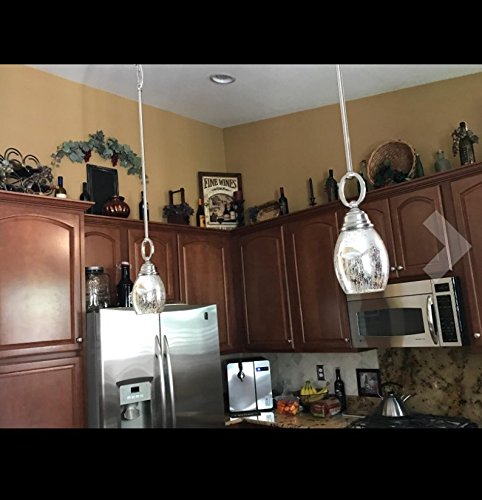
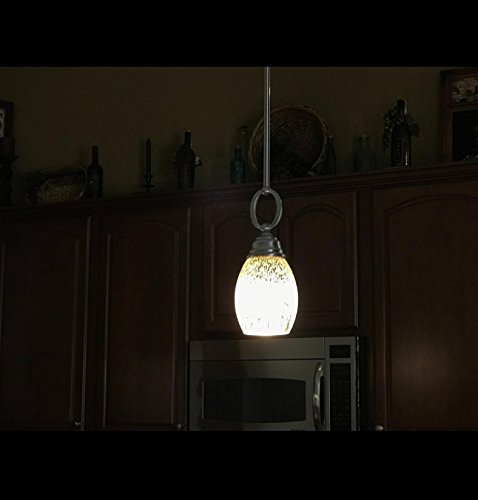
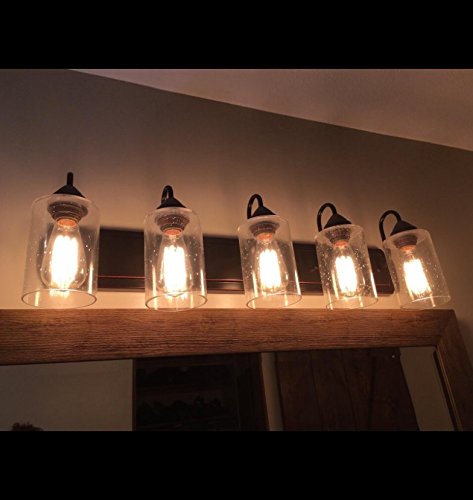
The primary role of a design classic shade is to manipulate light. In classic design, the material chosen is never accidental. For those seeking the soft, diffused glow characteristic of Scandinavian or Mid-Century aesthetics, parchment or high-grade linen shades are the gold standard. These materials provide a warm, organic texture that softens the edges of shadows. Conversely, if you are looking to highlight a piece as a sculptural centerpiece, opaque materials like spun metal, ceramic, or heavy-duty pleated silk are preferable. Metal shades, often found in industrial or Bauhaus-inspired classics, direct light downward in a focused beam, creating dramatic pools of light rather than ambient room illumination. Always consider how the material will interact with your bulb type. A translucent shade will glow as a single unit, whereas an opaque shade will only project light through the bottom or top openings.
The Critical Importance of Scale and Proportion
One of the most common mistakes in lighting design is a mismatch in scale. A shade that is too small for a large pendant will look like an afterthought, while a shade that is too large for a desk lamp will overwhelm the workspace. When selecting a replacement or an upgrade for a classic fixture, measure the diameter of the lamp base and the height of the stem. A general rule of thumb for table lamps is that the shade width should be roughly two-thirds the height of the lamp base. For hanging pendants, the shade should feel substantial enough to anchor the visual space without obstructing sightlines across a room. Pay close attention to the 'visual weight'—a heavy, dark velvet shade will feel much larger than a light, airy paper shade, even if their physical dimensions are identical.
Fitting and Hardware Compatibility
Design classics often utilize specific mounting systems that are not standardized across all modern retailers. Before finalizing a purchase, you must identify the fitter type. The most common are the 'Spider' fitter, which uses a central metal ring to sit atop a harp, and the 'Uno' fitter, which attaches directly to the socket. Some vintage-inspired pieces may also require a 'Slip' fitter that slides over a frame. Beyond the fitter, consider the 'drop'—the distance from the top of the shade to the light source. If the shade sits too high, you will experience direct glare. Too low, and the light will be trapped, causing the shade to overheat. Ensure the shade is designed to accommodate the thermal output of your chosen bulbs, particularly if you are using high-lumen LEDs.
Style Cohesion and Era Accuracy
To maintain the integrity of a design classic, the shade should respect the era's design language. If you are styling an Art Deco piece, look for geometric precision, stepped silhouettes, or metallic accents. For a more organic, Brutalist, or Minimalist look, prioritize raw textures and monochromatic palettes. While 'mixing and matching' is a valid interior design strategy, the shade should either serve as a perfect historical match or a deliberate, high-contrast modern intervention. Avoid 'faux-vintage' materials that look overly synthetic, as they will immediately undermine the premium feel of a designer lamp.