Prioritize Material Density and Padding Quality
The primary job of a sleeve is impact mitigation. When evaluating these sleeves, look beyond the surface fabric. A high-quality sleeve should feature a multi-layered construction. Ideally, you want a soft, microfiber-like interior to prevent micro-scratches on the laptop's lid, sandwiched between a layer of high-density foam or memory foam. This foam is what absorbs the kinetic energy if you drop your bag or bump your laptop against a hard surface. If the sleeve feels flimsy or the padding is uneven, it is merely a dust cover, not a protective sleeve. Look for reinforced corners, as these are the most common points of impact during a fall.
The Precision Fit Factor
One of the most frequent mistakes consumers make is buying a 'universal' size that is too large. A laptop that slides around inside its sleeve is prone to internal friction and is less protected during a drop because the device can gain momentum within the padding. For the best experience, measure your laptop's dimensions—width, depth, and thickness—and compare them to the sleeve's internal specifications. A precision fit ensures that the padding remains flush against the device, providing maximum shock absorption while maintaining a slim profile that fits easily into a backpack or messenger bag.
Closure Mechanisms and Accessibility
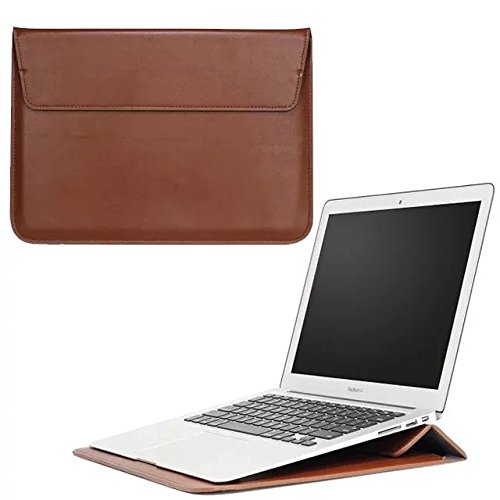
How a sleeve opens and closes dictates how much time you spend fumbling at your desk or in transit. There are generally three types of closures to consider: zippers, flaps, or elastic envelopes. Zippered sleeves offer the most security, ensuring the device won't slide out if the bag is tipped over, but you must ensure the zipper teeth are covered by a fabric lip to prevent them from scratching the edges of your laptop. Flap-based designs often provide a more premium, professional look and are easier to access quickly, but they may offer less protection against fine dust or liquid splashes compared to a fully enclosed zippered model.
Functional Extras and Portability
Consider your workflow when deciding on additional features. Some sleeves are designed to be ultra-slim, intended solely to live inside a larger bag. Others feature external pockets or gussets that allow you to carry a charger, a wireless mouse, or a slim smartphone. If you are a digital nomad, look for sleeves with a dedicated accessory compartment to prevent your cables from tangling with your device. Additionally, consider the texture of the exterior. A water-resistant polyester or nylon shell is preferable if you frequently commute in unpredictable weather, as it prevents moisture from seeping through to the electronics.
Summary Recommendation Logic
To make your final decision, follow this hierarchy: First, confirm the internal dimensions match your device perfectly. Second, verify the presence of high-density foam padding. Third, choose a closure style based on your need for speed versus security. If you prioritize maximum protection, go for a zippered, thick-padded model. If you prioritize style and ease of use within a larger bag, opt for a slim, microfiber-lined sleeve with a minimalist profile.