Determine Your Capacity Needs
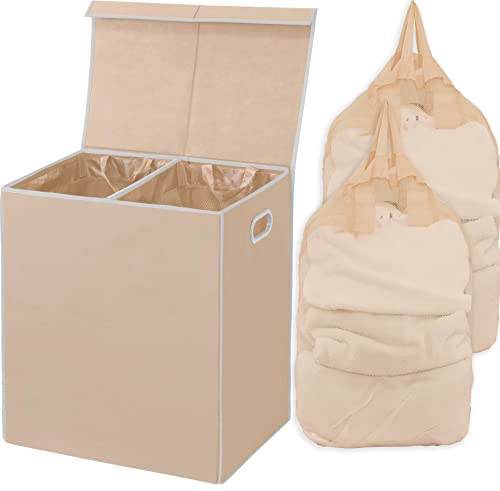
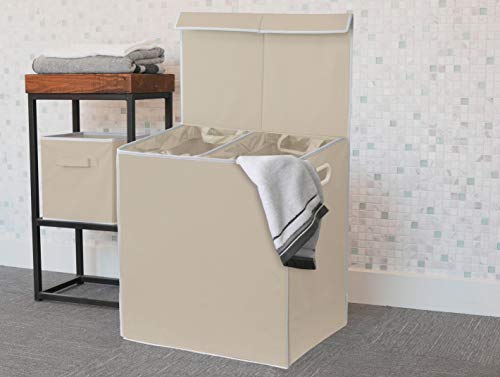
The first step in choosing a hamper is calculating your volume requirements. A single person living in a studio apartment may only need a small, 1.5 to 2 cubic foot basket that can tuck into a corner. However, for a multi-person household, capacity becomes the primary driver of convenience. If you find yourself carrying multiple loads to the machine, look for larger capacity models, typically ranging from 3 to 4 cubic feet. If your household separates whites, darks, and delicates, consider a multi-compartment hamper. While these take up more floor space, they eliminate the need for secondary sorting bins, streamlining the entire laundry workflow.
Evaluate Material and Durability
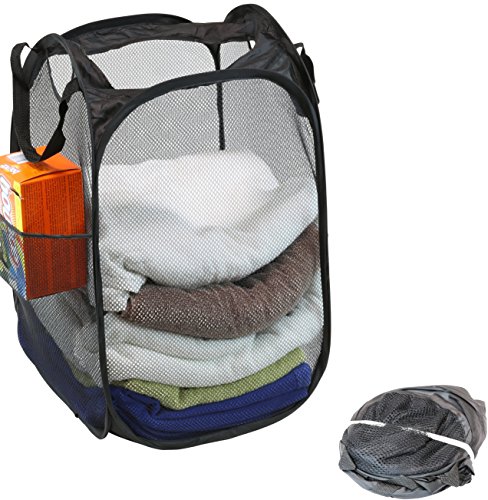
The material of your hamper determines both its lifespan and its suitability for specific environments. Plastic hampers are the workhorses of the category. They are moisture-resistant, easy to wipe down, and incredibly durable, making them ideal for damp bathrooms or laundry rooms. Woven wicker or rattan hampers offer a more organic, high-end aesthetic that complements traditional or bohemian decor, but they can be susceptible to moisture damage if kept in overly humid spaces. For a modern, minimalist look, fabric-based hampers—often constructed from heavy-duty canvas or polyester—provide a soft silhouette and are frequently collapsible, making them perfect for seasonal storage or small apartments. Always check the weight rating of the handles. A hamper is only as good as its ability to be transported when full.
Where the hamper will live dictates its physical design. In tight quarters, such as between a washing machine and a wall, a slim, rectangular profile is essential. If you have a long distance to travel between your bedroom and the laundry area, mobility becomes a non-negotiable feature. Look for hampers equipped with smooth-gliding casters or sturdy, ergonomic handles. For those with limited floor space, collapsible fabric hampers are a strategic choice, as they can be folded flat and tucked away when not in use. Conversely, if the hamper is a permanent fixture in a visible area like a walk-in closet, prioritize design elements like lid styles (flip-top vs. removable) and color palettes that blend with your existing furniture.
Functionality and Maintenance
Beyond size and style, think about the ease of maintenance. A hamper with a removable, washable liner is a significant advantage, as it allows you to clean the vessel itself without struggling with dust or debris buildup. If you are opting for a lid, ensure it provides enough clearance for clothing to be dropped in easily without hitting the underside of the cover. For households with children, look for lightweight materials that are easy for small hands to maneuver, and avoid sharp edges or heavy lids that could pose a safety risk.