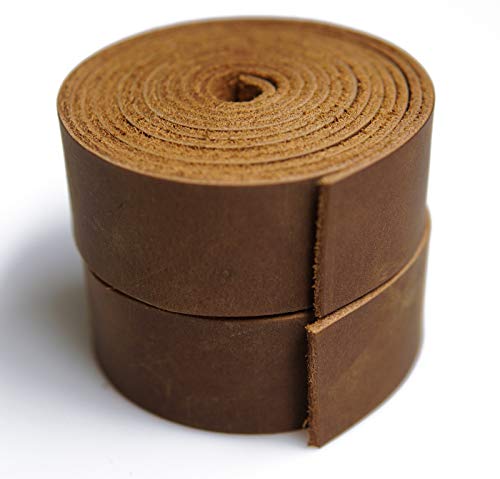
When browsing for leather strips, the first thing you must identify is the grade. Even in scrap form, there is a massive hierarchy of quality. 'Full-grain' scraps are the gold standard. They retain the natural grain of the hide, offering maximum durability and a beautiful patina over time. These are ideal for items that will see heavy handling, such as knife sheaths or heavy-duty straps. 'Top-grain' leather is also excellent, having been slightly sanded to remove imperfections, making it more uniform for decorative work. Avoid 'genuine leather' scraps if you are looking for longevity, as this term often refers to lower-quality split leathers that have been embossed to look like real grain and may peel or crack under stress.
Evaluating Thickness and Temper
The utility of a leather strip is dictated by its 'weight' (measured in ounces or millimeters) and its 'temper' (how much it bends). If you are making small accessories like bracelets or watch straps, you want a medium-weight strip with a firm temper that holds its shape. For delicate jewelry or decorative inlay, look for thin, soft-temper scraps that drape easily. Conversely, if your goal is structural repair or heavy utility straps, ensure the scraps are thick enough to withstand tension. Always check the description for thickness consistency. A batch of scraps with wildly varying thicknesses can be frustrating to work with if you are trying to create a matched set of items.
Tanning Methods and Project Compatibility
The tanning process significantly impacts how the leather will react to your tools. Vegetable-tanned leather scraps are a favorite among traditional crafters because they are easy to tool, stamp, and burnish. They also age gracefully, developing a rich character. On the other hand, chrome-tanned scraps are often more supple and color-fast, making them better for fashion accessories or items that require a specific, vibrant hue. If your project involves wet-forming (shaping the leather while damp), you must ensure you are purchasing vegetable-tanned strips, as chrome-tanned leather will not hold a molded shape.
Assessing the 'Scrap' Quality and Shape
When buying scraps, you aren't just paying for the leather. You are paying for the 'usability' of the remnants. High-quality scrap kits will offer long, continuous strips that can be used for functional purposes. Low-quality kits may consist of tiny, irregular 'confetti' pieces that are only useful for stuffing or very small decorative accents. Look for descriptions that specify the length of the strips. If you need to make a belt or a long strap, a collection of 2-inch pieces will be useless to you. A smart buyer looks for 'usable remnants'—pieces that are small enough to be considered scraps but long enough to serve a specific functional purpose.
Recommendation Logic: How to Choose
To make the right decision, match your purchase to your specific craft. If you are a beginner, opt for a multi-grade variety pack to learn how different textures behave. If you are a professional looking for efficiency, invest in high-quality, vegetable-tanned full-grain strips that minimize the need for edge finishing. Always prioritize consistency in color and thickness if you plan on making repeatable products for sale. Finally, always consider the 'waste factor'—ensure the volume of scraps you are buying aligns with the scale of the projects you have planned to avoid cluttering your workspace with unusable bits.