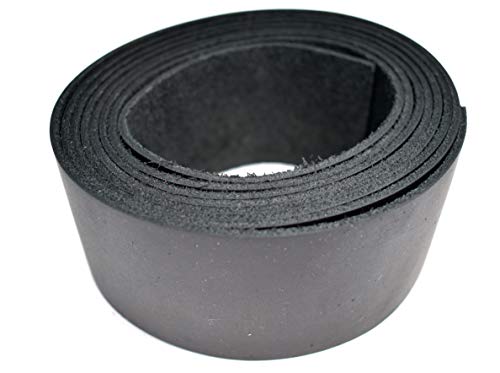
Understanding the Grade and Temper
The first decision factor when selecting leather rush scraps is the 'temper' of the leather. In the context of strips, temper refers to how much flexibility or stiffness the material possesses. For basketry or weaving, you want a medium-to-supple temper. If the strips are too stiff, they will resist being woven into tight patterns, causing structural stress. If they are too soft, they may lose their shape over time. When looking at scraps, check for 'memory'—the ability of the strip to hold a curve without kinking or cracking. High-quality scraps should feel consistent in suppleness throughout the bundle, rather than having some pieces that are oily and soft and others that are dry and brittle.
Evaluating Width Consistency and Edge Quality
Since you are purchasing scraps, you are often dealing with irregular lengths, but the width of the strips should remain relatively consistent to be useful. For fine detail work or decorative stitching, look for narrow, uniform strips. For structural weaving, wider strips are preferable. A key indicator of quality is the edge finish. Even in scrap form, the edges of the strips should be clean-cut. If the edges appear 'fuzzy' or heavily frayed, it indicates a low-quality split or a dull cutting tool during production, which can lead to unraveling during your project. Avoid scraps that show significant 'feathering' at the ends, as this makes it difficult to secure the strips in a weave or a seam.
One of the biggest risks with leather scraps is color variance. Because scraps are often remnants from different production runs, you may receive a bundle with significant tonal shifts. If your project requires a monochromatic look, look for sellers that specify 'color-matched' scrap bundles. Beyond the surface color, pay attention to dye penetration. Premium leather rush strips are typically drum-dyed, meaning the color is consistent all the way through the material. If you see lighter, undyed areas on the sides of the strips, the material is surface-dyed, which will lead to unsightly scuffing and color loss as you manipulate the strips during your craft.
Thickness and Tanning Methods
The tanning method significantly impacts how the strips behave. Vegetable-tanned leather rush strips are excellent for projects requiring structural integrity and a traditional aesthetic, as they take dyes beautifully and age with a rich patina. However, they can be less forgiving to bend. Chrome-tanned strips will be much softer and more water-resistant, making them better for items that will face frequent handling. When evaluating thickness, ensure the strips are uniform. A scrap bundle containing a mix of 1.0mm and 2.0mm strips will be a nightmare for consistent weaving or sewing, as the varying thickness will create an uneven surface tension in your finished piece.
Recommendation Logic: How to Choose
When making your final selection, use this logic: If you are doing fine, decorative embroidery or small repairs, prioritize narrow width and high suppleness. If you are weaving baskets or structural containers, prioritize thickness and vegetable-tanned consistency. Always opt for bundles that offer a 'sorted' description if available, as this minimizes the amount of unusable 'dust' or tiny fragments that often plague low-end scrap lots.