Understanding the Core Leveling Technologies
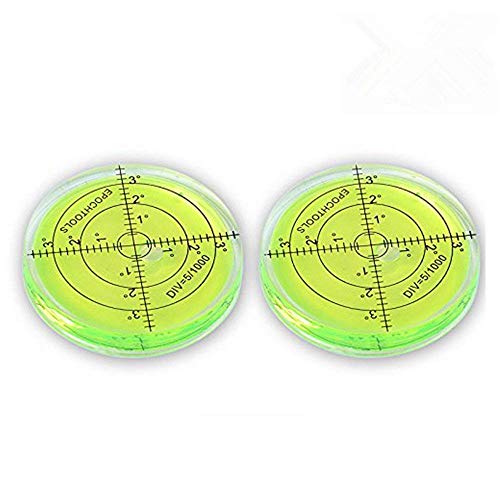
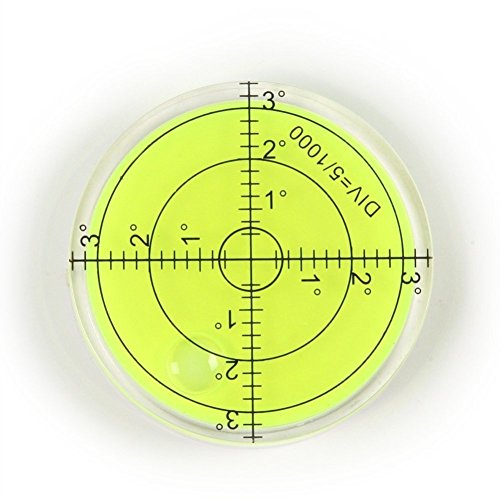
Before choosing a tool, you must decide which mechanism best suits your workflow. Traditional liquid-filled vials are the standard for a reason: they are incredibly reliable, require no batteries, and provide instant visual feedback. These are best for heavy construction where you need to check long spans of timber or masonry. However, if you are working in tight spaces or require extreme precision for digital layouts, you might consider digital leveling options. Digital levels often feature backlit LCD screens and can provide degree-specific measurements, which is invaluable when setting up complex angles or slopes that a standard bubble vial cannot easily communicate.
Key Decision Factors: Accuracy and Stability
The most critical factor in any level is its ability to maintain calibration. When shopping, look for tools constructed from high-grade aluminum or reinforced plastics that resist warping under temperature changes or physical impact. A level that bends slightly after being dropped is useless. Furthermore, consider the 'vial visibility.' High-quality levels utilize high-contrast fluids and bubbles that are easy to read even in low-light environments, such as under a kitchen sink or in a dimly lit basement. If you are working on uneven surfaces, look for models with magnetic bases. Magnetic leveling is a game-changer for anyone performing electrical work or installing metal shelving, as it allows for hands-free operation on ferrous surfaces.
Portability vs. Measurement Range
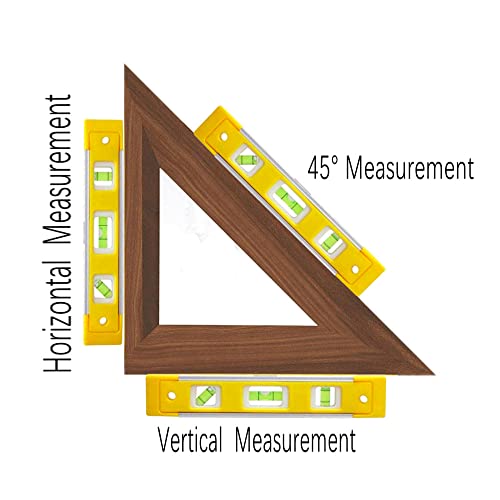
One of the biggest mistakes buyers make is choosing a tool that is either too small to be accurate or too large to be practical. If you are primarily doing fine woodworking or leveling small picture frames, a compact torpedo level is your best friend. These are designed to fit in a pocket and are perfect for quick, localized checks. On the other hand, if you are laying out flooring or installing drywall, you will need a longer spirit level to minimize the margin of error over distance. A short level used over a long span can lead to 'cumulative error,' where a slight tilt at one end results in a massive discrepancy at the other. Always match the length of the tool to the scale of your most frequent tasks.
Durability and Environmental Resistance
Levels are frequently subjected to harsh conditions—dropped on concrete, exposed to moisture, or tossed into a heavy toolbox. Look for features like rubberized end caps, which act as shock absorbers to protect the vials from impact. If your work involves outdoor construction, ensure the vials are sealed against dust and moisture ingress. A level that leaks its vial due to poor sealing is a tool that will fail you exactly when you need it most. Investing in a tool with a robust build quality ensures that your precision remains consistent year after year, rather than degrading after the first few uses.