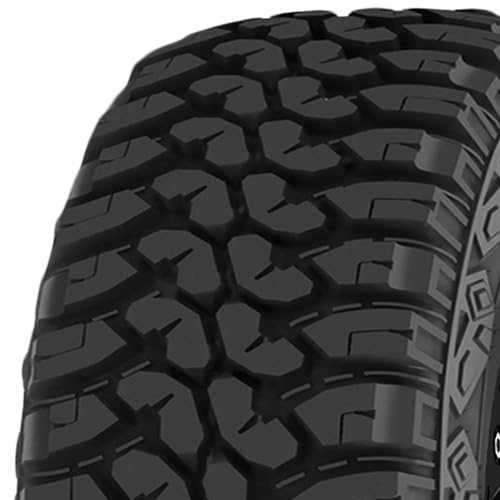
Understanding Tread Patterns and Utility
The most immediate difference you will notice in the light truck category is the tread design. All-season tires generally fall into two sub-categories: Highway Terrain (HT) and All-Terrain (AT). If your truck is primarily a commuter or a highway cruiser, an HT tire is your best bet. These feature tighter tread blocks and more continuous ribs, which reduce road noise and improve fuel efficiency. They are designed to maximize contact with the pavement, providing superior handling on asphalt. Conversely, if your 'all-season' needs include occasional trips down gravel roads or through muddy construction sites, look for an AT tire. These have deeper grooves and more aggressive shoulder blocks to bite into loose surfaces, though they may introduce more hum at highway speeds.
Load Index and Ply Rating
For light truck owners, the Load Index is perhaps the most critical technical specification. This number indicates the maximum weight each tire can support when properly inflated. If you frequently haul equipment or tow a boat, you must ensure the tire's load rating exceeds your vehicle's Gross Vehicle Weight Rating (GVWR). Additionally, pay attention to the ply rating. While many modern light truck tires use advanced rubber compounds rather than traditional layers, the structural integrity of the sidewall is paramount. A higher load capacity often comes with a reinforced sidewall, which protects against lateral movement when the truck is heavily loaded, preventing the 'squishy' steering feel that can compromise safety.
Treadwear vs. Traction Ratings
When browsing the sidewall of a tire, you will see UTQG (Uniform Tire Quality Grading) ratings. For light trucks, the Treadwear rating is a major indicator of longevity. A higher number means the rubber compound is harder and more resistant to abrasion, which is ideal for high-mileage drivers. However, there is often a trade-off: harder compounds can sometimes result in lower traction in wet or cold conditions. Look for a balance where the traction rating (AA, A, B, etc.) remains high while the treadwear rating meets your expected mileage needs. In the all-season category, you want a tire that maintains its grip even as the tread depth decreases over several years of use.
While 'all-season' implies year-round use, you must consider your local climate. In regions that experience freezing temperatures, look for tires with a high silica content in the rubber compound. Silica helps the tire remain flexible in the cold. A tire that becomes too hard in low temperatures will lose its ability to grip the road, effectively turning your all-season tire into a summer tire. If you live in an area with heavy snow, ensure the tread pattern includes sufficient siping—those tiny slits in the tread blocks—which act as biting edges to grip icy surfaces.
The Total Cost of Ownership
Do not make a purchasing decision based solely on the upfront price. A cheaper tire with a lower mileage rating will cost you more in the long run as you replace it more frequently. Calculate the 'cost per mile' by dividing the price by the expected tread life. Additionally, consider the impact on fuel economy. Aggressive all-terrain patterns increase rolling resistance, which can noticeably decrease your miles per gallon compared to a streamlined highway-terrain model.