All-Terrain vs. Mud-Terrain: Defining Your Mission
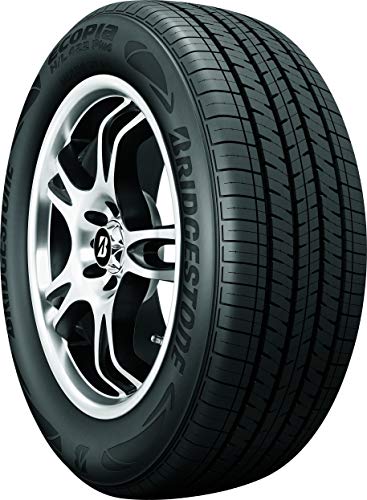
The first step in your selection process is defining your primary use case. All-Terrain tires are the 'jack-of-all-trades.' They feature a balanced tread pattern designed to provide traction on gravel, dirt, and light snow while maintaining a relatively quiet and stable ride on paved roads. If your SUV spends 80% of its time on the highway and 20% on forest service roads, an A/T tire is your optimal choice.
Mud-Terrain tires, conversely, are specialized tools. They feature massive, widely spaced tread blocks and deep voids designed to 'self-clean' by ejecting mud as the tire rotates. This prevents the tread from becoming a smooth, slick surface in soft conditions. However, this aggressive design comes with a trade-off: increased rolling resistance, higher fuel consumption, and significantly more cabin noise on the pavement. If you are frequently traversing deep mud, thick silt, or jagged rock, the M/T is non-negotiable.
Understanding Tread Pattern and Void Ratio
When inspecting a tire, look closely at the 'void ratio'—the amount of open space between the tread blocks. In Mud-Terrain tires, a high void ratio is essential. It allows the tire to bite into soft surfaces and prevents mud from packing into the grooves. If the grooves clog, you effectively lose all traction. In All-Terrain tires, the void ratio is lower, which helps maintain a larger 'contact patch' on the road, providing better braking performance and handling on dry and wet pavement.
Load Index and Ply Rating
Light trucks and SUVs are heavy, and they often carry significant payloads or towing trailers. You must pay close attention to the Load Index and Ply Rating. A tire with a higher load index can support more weight without compromising the structural integrity of the sidewall. For off-road enthusiasts, look for tires with reinforced sidewalls. A thicker, more robust sidewall protects against 'pinch flats' when aired down for rock crawling and provides better resistance against sharp rocks and debris that could puncture a standard highway tire.
Seasonal Considerations and Compound
Not all off-road tires perform equally in the cold. Some aggressive mud tires use harder rubber compounds to ensure longevity, but these can become stiff and lose grip in freezing temperatures. If you live in a climate with harsh winters, look for tires that carry the Three-Peak Mountain Snowflake (3PMSF) rating, even within the All-Terrain category. This ensures the rubber compound remains pliable enough to grip snow and ice effectively.
The Impact of Wheel Diameter and Offset
Before finalizing your purchase, ensure the tire dimensions are compatible with your current rims or any aftermarket wheels you have installed. Increasing tire diameter for better ground clearance may require a suspension lift to prevent rubbing against the wheel wells during full turns. Additionally, consider how the tire width affects your vehicle's scrub radius. Wider tires provide a more aggressive stance and better flotation in sand but can increase steering effort and wear on your suspension components.