Understanding the Core Distinction: A/T vs. M/T
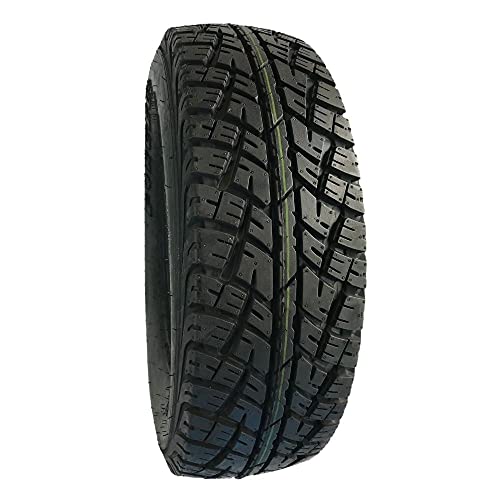
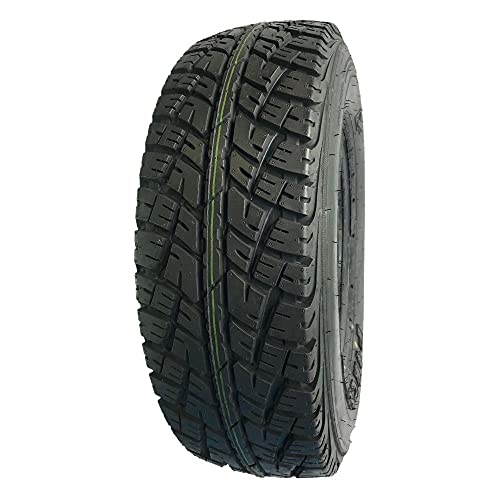
The most critical decision in this category is determining your primary driving environment. All-Terrain tires are the 'jack-of-all-trades.' They feature a balanced tread pattern that offers significant grip on loose surfaces like gravel and dirt while maintaining a relatively quiet and stable ride on paved highways. If your vehicle serves as a daily driver that occasionally ventures onto unpaved roads, an A/T tire is almost always the correct choice.
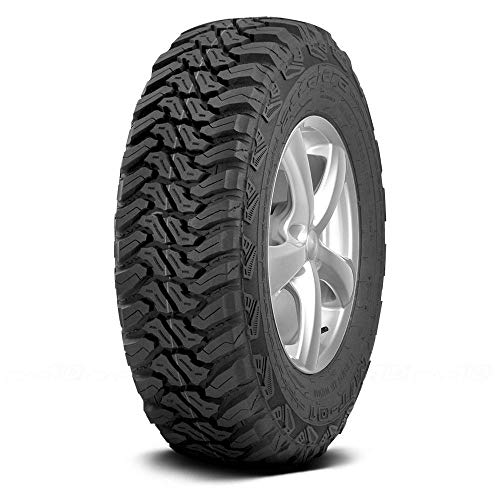
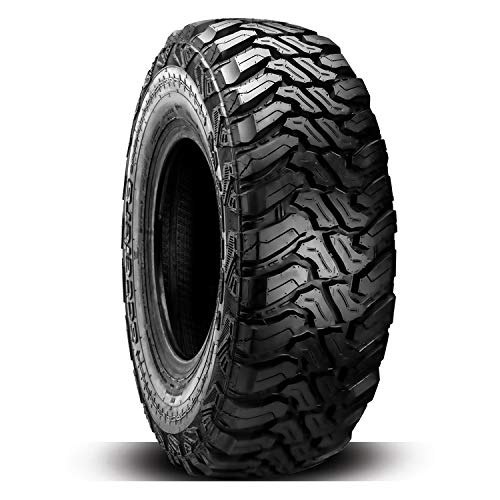
Mud-Terrain tires, conversely, are specialized tools. They feature much larger, deeper tread blocks and wider voids designed to 'self-clean' by ejecting mud as the tire rotates. This prevents the tread from becoming a smooth, slick surface when submerged in sludge. However, this aggressive design comes at a cost: increased road noise, a stiffer ride, and typically faster wear rates on asphalt. If your lifestyle involves technical rock crawling or deep mud bogging, the M/T is indispensable.
1. Tread Depth and Void Ratio: For mud performance, look for a high void ratio—this refers to the amount of space between the tread blocks. More space means better ability to grip uneven terrain and clear debris. For highway longevity, look for a more continuous tread pattern that minimizes vibration.
2. Load Index and Ply Rating: Light trucks and SUVs often carry significant weight, whether it is passengers, gear, or cargo. Check the load index to ensure the tire can handle your vehicle's Gross Vehicle Weight Rating (GVWR). Higher ply ratings generally indicate a more robust sidewall, which is essential for preventing punctures from sharp rocks off-road.
3. Sidewall Strength: Off-road enthusiasts should prioritize tires with reinforced sidewalls. A thicker, more durable sidewall provides better protection against 'sidewall intrusion' when driving over jagged stones or navigating low-pressure situations for better traction.
The Compromise: Noise, Fuel Economy, and Longevity
Every choice in the tire world involves a trade-off. Aggressive mud tires increase rolling resistance, which can noticeably decrease your fuel economy. They also tend to produce a rhythmic 'hum' at highway speeds. If you are sensitive to cabin noise, look for All-Terrain tires with variable tread pitch—a design technique where tread blocks are placed at different intervals to cancel out harmonic noise.
Furthermore, consider the treadwear rating. While off-road tires are built for toughness, they are rarely designed to last 60,000 miles. If you want a tire that survives multiple seasons of heavy use, look for compounds specifically engineered for high mileage without sacrificing the grip needed for light off-road duties.
Final Recommendation Logic
To make your final selection, ask yourself: 'Where will this vehicle spend 80% of its time?' If the answer is the highway or suburban streets, prioritize an All-Terrain tire with a high load capacity. If the answer is the trail, prioritize a Mud-Terrain tire with reinforced sidewalls and a high void ratio. By matching the tread geometry to your most frequent driving environment, you ensure both safety on the road and capability in the wild.