#TOP1

Limnology, the intricate study of inland aquatic ecosystems, requires a specialized literary approach that bridges the gap between pure biology, chemistry, and physical hydrology. Whether you are a graduate student navigating the complexities of thermal stratification or a field researcher focusing on nutrient cycling and benthic ecology, selecting the right text is critical. A generic biology textbook will fail to capture the nuances of lake metabolism, while a purely hydrological manual may overlook the biological feedback loops that define freshwater life. This guide is designed to help you navigate the academic and professional landscape of limnological literature to find the resource that matches your specific research niche.
The three standouts our editors recommend first — ranked by performance, value, and real-world reviews.


| SELLER | SELLER SCORE | AMAZON FULFILLED | PRIME | FREE SHIPPING |
|---|---|---|---|---|
| Amazon.com | 9.68 | Yes | Yes | Yes |

| SELLER | SELLER SCORE | AMAZON FULFILLED | PRIME | FREE SHIPPING |
|---|---|---|---|---|
| Amazon.com | 9.68 | Yes | Yes | Yes |
| SELLER | SELLER SCORE | AMAZON FULFILLED | PRIME | FREE SHIPPING |
|---|---|---|---|---|
| Audible, Inc. (US) | 3.10 | No | No | No |


| SELLER | SELLER SCORE | AMAZON FULFILLED | PRIME | FREE SHIPPING |
|---|---|---|---|---|
| Amazon.com | 9.68 | Yes | Yes | Yes |
| SELLER | SELLER SCORE | AMAZON FULFILLED | PRIME | FREE SHIPPING |
|---|---|---|---|---|
| textbooks_source | 9.76 | No | No | No |

| SELLER | SELLER SCORE | AMAZON FULFILLED | PRIME | FREE SHIPPING |
|---|---|---|---|---|
| Apex_media🍏 | 9.87 | Yes | Yes | Yes |
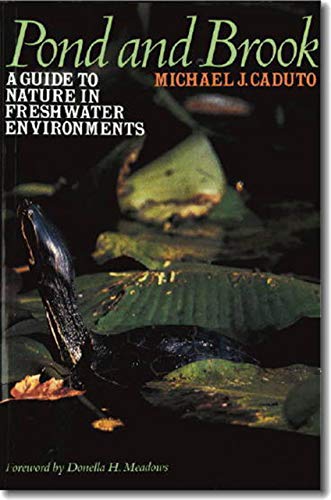

Pond and Brook: A Guide to Nature in Freshwater Environments
| SELLER | SELLER SCORE | AMAZON FULFILLED | PRIME | FREE SHIPPING |
|---|---|---|---|---|
| Amazon.com | 9.68 | Yes | Yes | Yes |
Amateur naturalists and backyard ecologists require this specific guide to truly decode the hidden complexities of their local waterways. University Press of New England has delivered a focused resource that moves beyond surface-level observations to explore the intricate life within ponds and wetlands. I found that the text does an incredible job of connecting native species to their specific freshwater habitats, making it feel less like a dry textbook and more like a roadmap for outdoor exploration. Whether you are sitting by a quiet brook or studying a complex wetland ecosystem, this book provides the essential context needed to understand how these delicate environments function. It is a vital addition to any nature lover's library who wants to see more than just water and weeds.

| SELLER | SELLER SCORE | AMAZON FULFILLED | PRIME | FREE SHIPPING |
|---|---|---|---|---|
| Jenson Books Inc. | 9.93 | No | No | No |

| SELLER | SELLER SCORE | AMAZON FULFILLED | PRIME | FREE SHIPPING |
|---|---|---|---|---|
| International Book Sales | 9.70 | No | No | No |


Introduction to Limnology
| SELLER | SELLER SCORE | AMAZON FULFILLED | PRIME | FREE SHIPPING |
|---|---|---|---|---|
| 📚 Simplicity 🚀 WE DELIVER FASTER THAN ESTIMATED | 7.03 | No | No | No |
Serious aquatic biologists and environmental science students cannot afford to overlook this essential foundational text. This McGraw-Hill Science/Engineering/Math publication serves as a cornerstone for anyone looking to master the complexities of freshwater ecosystems. While the price point reflects its specialized academic nature, the value lies in its comprehensive approach to the field. This specific copy is a used book in good condition, making it a practical choice for those who need high-level scientific insights without the steep cost of a brand-new edition. It is a reliable, in-stock resource that bridges the gap between basic ecology and advanced limnological study through rigorous scientific principles.


| SELLER | SELLER SCORE | AMAZON FULFILLED | PRIME | FREE SHIPPING |
|---|---|---|---|---|
| Amazon.com | 9.68 | Yes | Yes | Yes |

| SELLER | SELLER SCORE | AMAZON FULFILLED | PRIME | FREE SHIPPING |
|---|---|---|---|---|
| Better World Books | 9.87 | No | No | No |

| SELLER | SELLER SCORE | AMAZON FULFILLED | PRIME | FREE SHIPPING |
|---|---|---|---|---|
| SuperBookDeals-- | 9.74 | No | No | No |

| SELLER | SELLER SCORE | AMAZON FULFILLED | PRIME | FREE SHIPPING |
|---|---|---|---|---|
| Amazon.com | 9.68 | Yes | Yes | Yes |

The first decision factor in limnology is determining the depth of theoretical framework required. Introductory texts are typically designed for undergraduate students, focusing on the fundamental classification of lakes, the basics of the phosphorus cycle, and general food web structures. These books are excellent for building a conceptual foundation but often lack the mathematical rigor required for advanced modeling. If you are pursuing advanced research or doctoral studies, look for 'comprehensive' or 'advanced' editions that delve into stochastic processes, complex chemical equilibria, and advanced light-attenuation models. These higher-level texts will prioritize quantitative analysis over descriptive observation.
Limnology is a multidisciplinary science, and your choice should reflect your specific area of interest. When browsing, categorize books into one of three primary pillars:
Some 'foundational' texts attempt to cover all three, which is ideal for generalists, but specialists should seek out monographs that focus intensely on a single pillar to ensure the depth of information is sufficient for professional application.
A major differentiator in high-quality limnology books is the inclusion of methodological guidance. A book that only discusses theory is of limited use to a field scientist. Look for titles that include chapters on sampling protocols, the use of multi-parameter probes, Secchi disk applications, and data interpretation techniques. Books that integrate modern remote sensing technology and GIS (Geographic Information Systems) applications are particularly valuable in the current era of large-scale watershed management and climate change monitoring.
Because limnology is heavily influenced by global environmental shifts, the publication date of your resource is a vital consideration. Older 'classic' texts are invaluable for understanding historical baseline data and fundamental principles, but they may lack contemporary insights into anthropogenic impacts, such as microplastic contamination, invasive species dynamics, and the effects of rising global temperatures on lake stratification. For a working professional, a hybrid approach is best: a classic text for fundamental theory paired with a modern, recent publication for current ecological challenges and cutting-edge analytical methods.
Quick answers about Limnology Books before you buy.
Share of top-ranked products by brand, from our editorial analysis.
We've carried out a comprehensive analysis of 21 reviews on Limnology Books, using our selection criteria to identify the best options in the science & math. Our findings reveal that most customers typically select Limnology Books priced around $27.95, with top brands including academic press, pelagic publishing, mcgraw-hill science/engineering/math, brand: mcgraw-hill science/engineering/math, wiley, prentice hall, chelsea green publishing, crc press and university press of new england and new society publishers.
Our team of expert editors reviewed these high-quality items and handpicked the top 14 Limnology Books for your consideration. We've also done extensive research on numerous sellers, identifying the best ones in the science & math category — including textbooks_source, amazon.com, apex_media🍏, international book sales, better world books, 📚 simplicity 🚀 we deliver faster than estimated, superbookdeals-- and jenson books inc. and audible, inc. (us).
We are dedicated to assisting our users in finding the right asins Products based on their needs, saving them considerable time when choosing which Limnology Books to buy. We take pride in the number of satisfied users we've helped through our thorough and insightful reviews.
Compare the top 14 picks at a glance — select a column to sort.


