Understanding Plant Growth Categories
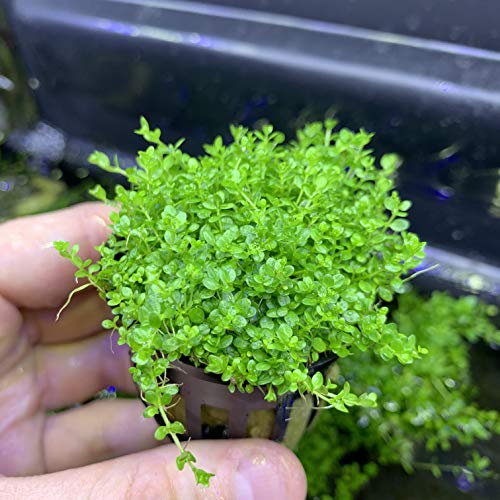
The first step in choosing your greenery is understanding where the plant will live within your tank's vertical space. Most aquatic plants fall into three functional categories: foreground, midground, and background. Foreground plants are low-growing species, such as creeping mosses or small rosette-style plants, designed to carpet the substrate. Midground plants offer medium height and texture, often used to break up the visual field or create focal points. Background plants are the tall, fast-growing varieties that reach toward the water surface, providing a dense curtain of green that hides filtration equipment and creates a sense of depth. A successful aquascape typically utilizes a tiered approach, layering these categories to create a naturalistic gradient.
Assessing Light and CO2 Requirements
This is the most critical decision factor for long-term success. Aquatic plants are categorized by their metabolic needs. Low-light plants are the best entry point for beginners; they are hardy, slow-growing, and can thrive with standard LED lighting and minimal nutrient supplementation. Medium-light plants offer more vibrant colors and complex leaf structures but require more consistent lighting schedules. High-light plants are the 'divas' of the aquarium world. To maintain their intense reds or delicate textures, they often require supplemental CO2 injection and high-intensity lighting. If you attempt to grow high-light species in a low-light environment, you will likely face a rapid algae bloom as the plants fail to utilize the available nutrients.
Substrate and Nutrient Delivery
How your plants eat is just as important as how much light they receive. Some plants are root feeders, meaning they draw their primary nutrients from the substrate through an extensive root system. For these, a nutrient-rich aquarium soil or specialized root tabs are non-negotiable. Other plants are water column feeders, absorbing nutrients directly from the water through their leaves. Epiphytes, such as certain ferns and mosses, are a unique sub-category; they should never be buried in the substrate, as this causes them to rot. Instead, they must be attached to driftwood or rocks. Always match your plant choice to your existing substrate setup to avoid premature plant death.
Growth Rate and Maintenance Expectations
Before purchasing, consider how much time you want to spend pruning. Fast-growing plants, such as certain stem varieties, are excellent for nutrient competition—they grow so quickly they actually starve out algae. However, they require frequent trimming to prevent them from choking out other species. Slow-growing plants, like many Anubias varieties, are much lower maintenance but can be more susceptible to being overtaken by algae if the tank's nutrient levels aren't perfectly balanced. Decide whether you want a dynamic, ever-changing landscape or a stable, low-intervention environment.
Health and Arrival Condition
When selecting plants, look for specimens with vibrant, firm leaves and no signs of translucent or mushy tissue. Avoid any plants that show signs of spotting or discoloration, as these can be indicators of pests or nutrient deficiencies that may spread to your entire tank. A healthy plant should have a robust root system (if applicable) and a clear, defined structure. Remember, the goal is to build a balanced ecosystem where the plants and inhabitants support one another's biological needs.