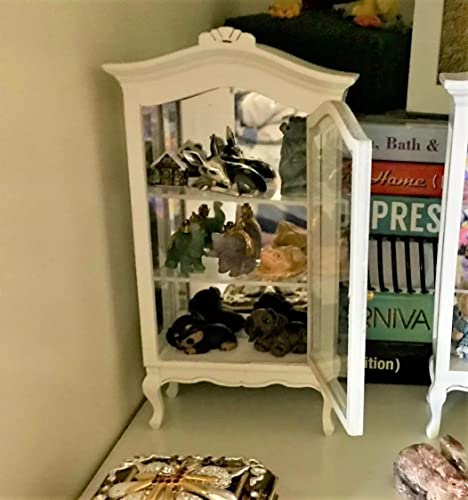
Prioritizing Scale and Proportion
The most common mistake when shopping for cutemini-style furniture is selecting pieces that are too bulky for the intended space. In a compact living area, a standard-sized sofa can swallow the room, making it feel claustrophobic. Instead, look for 'apartment-scale' dimensions. This means checking the depth of sofas and the width of coffee tables. A successful cutemini setup often utilizes furniture with exposed legs—such as mid-century modern tapered legs—which allows light to pass underneath the piece, creating the optical illusion of more floor space. When measuring your room, always leave at least 18 inches of walking space between your primary seating and your coffee table to maintain flow.
Material Integrity and Texture
Because cutemini furniture is often used in high-traffic, multi-purpose areas, durability is non-negotiable. If a small loveseat is also serving as your primary lounging spot, look for high-rub-count fabrics like performance velvet or tightly woven linens that resist pilling and staining. For accent pieces like ottomans or side tables, consider materials that offer tactile interest. A mix of soft textiles paired with hard surfaces—like a bouclé chair next to a smooth marble-topped pedestal table—adds depth to a small room. Avoid overly glossy finishes if you are prone to fingerprints. Instead, opt for matte woods or brushed metals that hide daily wear and tear more effectively.
Multi-Functionality as a Standard
In the world of compact living, a piece of furniture that only does one thing is a missed opportunity. When evaluating your options, ask yourself: 'Can this serve a secondary purpose?' An ottoman should ideally feature hidden storage for blankets or media controllers. A coffee table might benefit from a lift-top mechanism to transform it into a workspace. Even a small accent chair should be sturdy enough to double as temporary guest seating. The best cutemini selections are those that solve a problem—whether that problem is lack of storage, limited seating, or a need for a versatile surface.
Cohesion vs. Clutter
There is a fine line between a curated 'cutemini' aesthetic and a room that simply looks cluttered. To avoid this, stick to a consistent color palette. If you are choosing several small pieces, try to keep them within the same tonal family to create a sense of visual continuity. You can play with different textures to prevent the room from looking flat, but keeping the colors harmonious will make the space feel larger. Avoid 'visual noise' by choosing furniture with clean lines and minimal ornamentation. When every piece has a distinct, loud pattern, a small living room quickly becomes overwhelming to the eye.
Final Decision Logic
Before finalizing your purchase, run through this quick checklist: Does the piece fit the physical dimensions of my room with room to walk? Is the fabric durable enough for my lifestyle? Does this piece offer a secondary function? If the answer to all three is yes, you have found a piece that will elevate your living space rather than crowd it.