Prioritize Bioavailability and Lipid Carriers
Lutein is a fat-soluble nutrient, meaning your body cannot effectively absorb it if it is taken in a water-based environment without a carrier. When evaluating drop supplements, look closely at the base oil used. High-quality formulations typically utilize medium-chain triglycerides (MCT oil) or extra virgin olive oil. These lipids facilitate the transport of lutein through the digestive tract and into the bloodstream. Avoid products that list water as the primary ingredient without a sophisticated emulsification system, as these are likely to result in poor absorption and wasted nutrients.
Check for Synergistic Carotenoids
While lutein is the star of the show, it rarely works alone in a biological setting. The macula relies on a combination of pigments to function optimally. The gold standard for ocular supplements is a formula that includes zeaxanthin. These two carotenoids work in tandem. Lutein is concentrated in the inner macula, while zeaxanthin is concentrated in the outer macula. When browsing liquid drops, look for a ratio that balances these two components. Some premium drops may also include meso-zeaxanthin or even antioxidants like vitamin E and vitamin C to protect the lutein from oxidation within the bottle and within your body.
Concentration and Dosage Precision
One of the primary advantages of a drop format is the ability to control the exact amount of the nutrient you receive. However, this requires careful reading of the supplement facts label. Do not simply look at the total volume of the bottle. Instead, calculate the milligrams (mg) of lutein per single drop. A high-quality supplement should provide a significant concentration so that you aren't forced to ingest dozens of drops to reach a therapeutic dose. Ensure the label clearly states the serving size in drops and the corresponding milligram count to avoid guesswork.
Purity, Stability, and Packaging
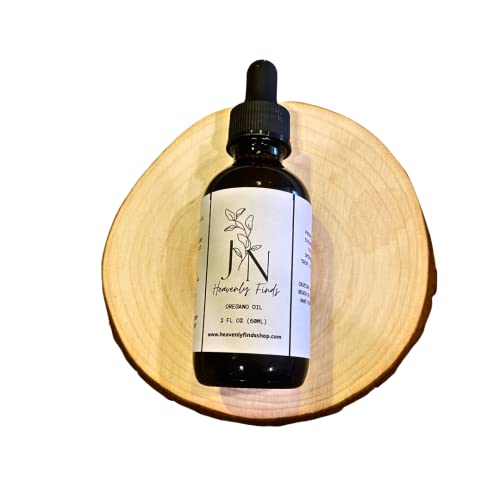
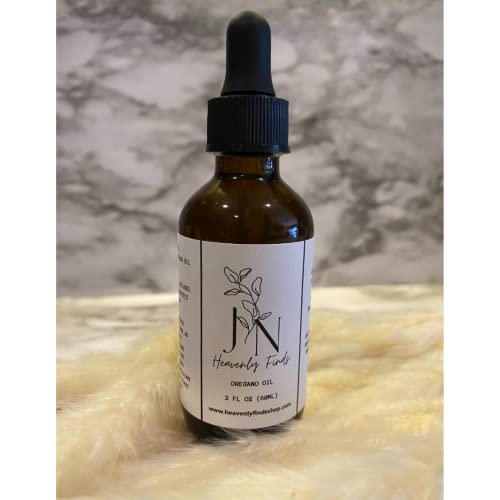
Because carotenoids are sensitive to light and oxygen, the packaging of your liquid supplement is critical. Avoid clear glass bottles, as light exposure can degrade the lutein potency over time. Instead, opt for dark amber or cobalt blue glass bottles that shield the contents from UV rays. Furthermore, check for the absence of artificial colors, synthetic flavors, and unnecessary fillers like high-fructose corn syrup. Since liquid supplements are prone to oxidation once opened, look for brands that use airtight dropper mechanisms and provide clear instructions on how long the product remains stable after the initial seal is broken.
Understanding the Extraction Method
The method used to extract lutein from marigold flowers (the most common source) can impact the quality of the final product. Look for descriptions indicating CO2 extraction or similar clean processes. These methods are superior to harsh chemical solvent extractions, as they preserve the molecular integrity of the lutein and ensure that no residual solvents are present in your daily dose. A clean extraction process translates to a more potent, safer, and more effective ocular supplement.