Material Durability and Environmental Resilience
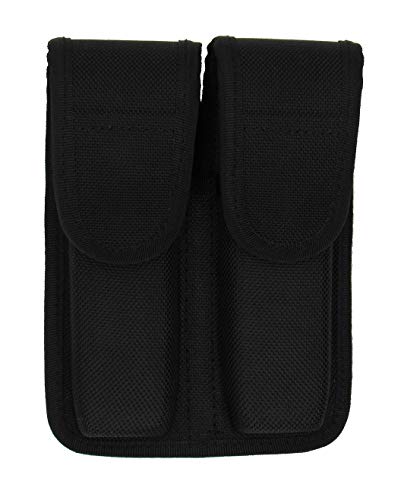
The first consideration when selecting a magazine pouch is the substrate. High-quality pouches are typically constructed from heavy-duty Cordura nylon, Kydex, or reinforced polymers. Nylon is the industry standard for lightweight, flexible setups. It excels in comfort and allows for a slimmer profile against the body. However, you must look for high denier counts to ensure the fabric doesn't fray or tear under the weight of loaded magazines. If your application involves more rugged, outdoor, or tactical environments where rigidity is paramount, Kydex or molded polymer pouches offer superior structural integrity. These materials maintain their shape regardless of how many times they are bumped or dropped, providing a consistent draw every time.
Retention Mechanisms and Reload Speed
A pouch is useless if it either drops your magazine during a sprint or refuses to let go during a reload. You must decide which retention style fits your workflow. Tension-based retention, often found in polymer pouches, relies on the physical dimensions of the magazine to hold it in place. This is incredibly fast but requires a precise fit. On the other hand, elastic-tensioned nylon pouches offer a more forgiving fit, accommodating different magazine brands or even slightly different capacities. For those requiring maximum security, look for pouches featuring adjustable bungee cords, thumb breaks, or mechanical clips. The goal is to find the 'sweet spot' where the magazine is locked in during movement but can be extracted with a single, intuitive motion.
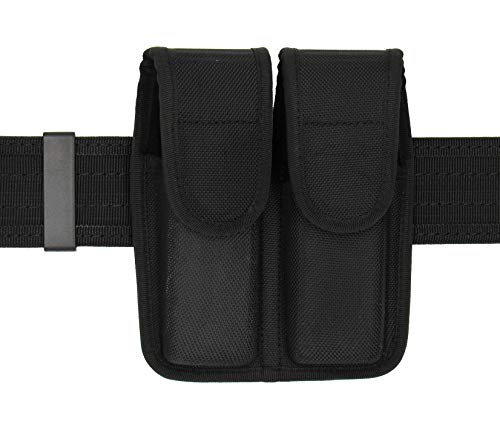
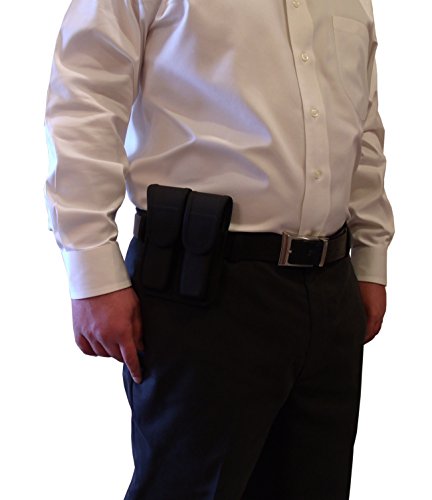
Not all magazines are created equal. A common mistake is purchasing a pouch that is too tight for extended-capacity magazines or too loose for flush-fit duty mags. Before buying, verify the specific dimensions of your magazine series. Some pouches are designed for single-stack magazines, while others are built for high-capacity, wide-body sticks. Additionally, consider the mounting style. If you are adding to a belt, look for MOLLE-compatible (Modular Lightweight Load-carrying Equipment) webbing or paddle mounts. If you are looking for a more discreet setup, search for belt loops that sit low-profile against the waistline to prevent snagging on clothing or gear.
Ergonomics and Accessibility
The orientation of the pouch is just as important as the pouch itself. Consider whether you prefer a vertical orientation for traditional belt mounting or a horizontal/canted orientation for chest rigs and plate carriers. A canted pouch can often provide a more natural angle for the hand to grip the baseplate of the magazine, reducing the time spent 'fumbling' during a reload. Furthermore, think about the 'finger clearance'—the space between the pouch opening and the magazine itself. A well-designed pouch provides enough room for your fingertips to get a purchase on the magazine without needing to look down at your gear.