Material Thickness and Durability
The most critical factor in selecting a mailing envelope is the weight and composition of the material. For standard office correspondence, a lightweight paper-based envelope is often sufficient. However, if you are shipping items that require more structural integrity—such as thick stacks of contracts, certificates, or small non-fragile items—you should look for higher GSM (grams per square meter) paper or poly-mailer options. Poly-mailers are particularly effective for e-commerce because they are tear-resistant and water-resistant, providing a shield against the elements during the transit process. If your contents are prone to bending, prioritize envelopes with a reinforced stiffness to prevent creasing.
Closure Mechanisms and Security
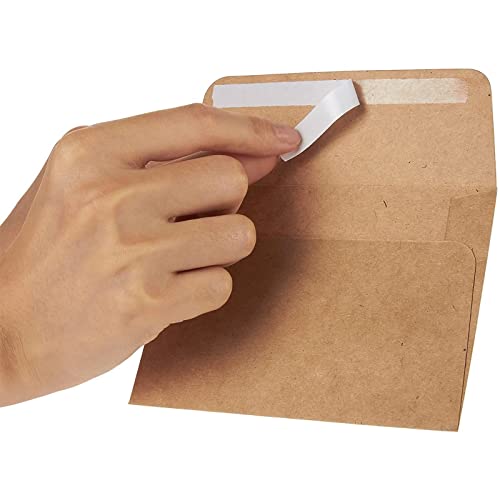
A mailing envelope is only as good as its seal. When reviewing options, pay close attention to the closure type. Peel-and-seal adhesive strips are the gold standard for efficiency. They allow for rapid, one-handed closing that creates a permanent, tamper-evident bond. This is essential for high-volume environments where speed is a priority. For more sensitive documents, look for envelopes that offer a tight, reliable adhesive that won't pop open under the pressure of automated sorting machines. Avoid envelopes with weak glue or those that require manual moisture application, as these are prone to failing during long-distance transit.
Dimensions and Capacity Planning
One of the most common mistakes in shipping is selecting an envelope that is too small, forcing the contents to stretch the seams, or too large, leading to wasted space and higher dimensional weight charges. You must measure your largest item and add a margin of at least half an inch to ensure easy insertion without damaging the edges of your contents. Consider the 'bulk factor'—a stack of 50 sheets of paper takes up significantly more volume than a single sheet, even though the weight is similar. Always select a size that accommodates the thickness of your contents to maintain a professional appearance and ensure the envelope remains flat.
Opacity and Privacy Protection
If you are mailing personal information, legal documents, or high-value receipts, opacity is a primary concern. Standard white envelopes can sometimes be translucent under bright sorting lights, potentially exposing sensitive text. For maximum privacy, opt for envelopes with a darker tint or a security pattern printed on the inside. This 'security tint' ensures that even if the envelope is held up to the light, the contents remain unreadable. This is a crucial decision factor for businesses handling sensitive client data or financial records.
Volume-Based Value
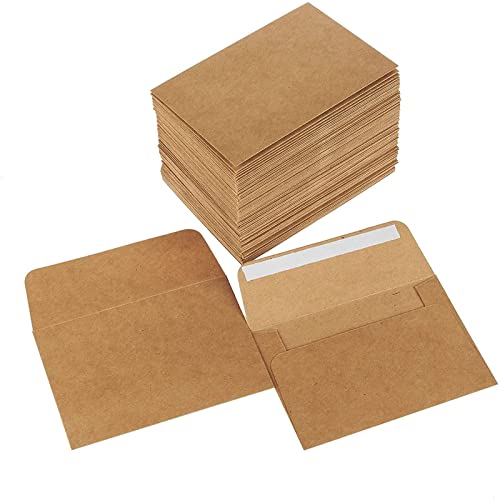
Since these envelopes are often purchased in bulk, you must evaluate the cost-per-unit against the intended use case. For daily operational needs, buying in larger quantities typically offers the best value. However, ensure that the storage environment for these bulk packs is dry and climate-controlled. Excessive humidity can cause paper envelopes to warp or adhesive strips to lose their tackiness before they are even used.