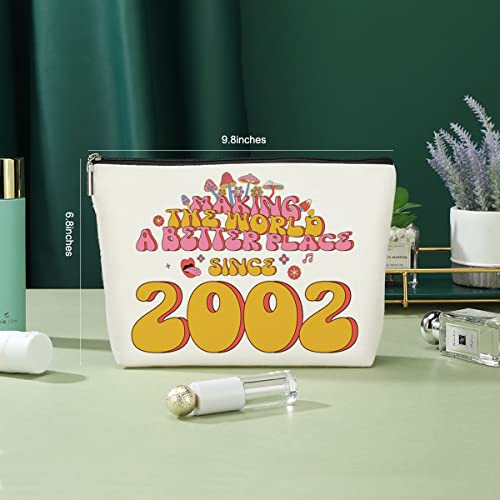
Material Durability and Spill Resistance
The first thing to consider is the textile composition of the bag. Because cosmetics often involve liquids—foundation, primers, and oils—the interior lining is arguably more important than the exterior. Look for high-density polyester or waterproof nylon linings. A high-quality bag should feature a wipeable interior. If a tube of concealer leaks, you want to be able to clean it with a damp cloth rather than having the stain seep into the fabric and ruin the entire unit. For the exterior, a structured canvas or a reinforced synthetic fabric offers better protection against the crushing weight of other items in your suitcase or handbag.
Capacity and Organizational Architecture
Not all makeup bags are created equal in terms of internal logic. A single large cavity might seem efficient, but it often leads to a 'black hole' effect where small items like eyeliner pencils or lip liners are lost at the bottom. When evaluating a bag, look for tiered organization. This includes dedicated mesh pockets for breathable storage, elastic loops to keep brushes upright, and zippered compartments for smaller, loose items. If you carry a large collection, a multi-compartment design allows you to separate your skincare from your color cosmetics, preventing heavy bottles from pressing against delicate powder compacts.
Portability vs. Desktop Utility
Your decision should be driven by how you intend to use the bag. If you are a frequent traveler, prioritize a 'clamshell' design. These bags open flat, providing a clear view of every product you own without having to dig through layers. A built-in stand or a wide base that allows the bag to sit upright on a hotel vanity is a massive functional advantage. Conversely, if the bag is primarily for your everyday purse, look for slim, lightweight silhouettes that prioritize a low profile without sacrificing the ability to hold your essentials.
Hardware and Closure Quality
The most common point of failure in any bag is the zipper. A makeup bag is frequently opened and closed, often under tension when the bag is full. Seek out heavy-duty, smooth-gliding zippers with reinforced stitching. Avoid bags with flimsy, thin plastic tracks that are prone to catching on the fabric. Additionally, consider the ease of access. A wide-mouth opening is superior to a narrow one, as it prevents the frustration of fishing for a single item in a cramped space.
Maintenance and Longevity
Finally, consider the long-term upkeep. Makeup environments are inherently messy. Bags that are machine-washable or feature easy-to-clean surfaces will stay looking new much longer. Pay attention to the corner construction. Reinforced seams prevent the bottom of the bag from sagging or tearing when loaded with heavier glass bottles. By focusing on these specific structural and organizational elements, you can transition from simply owning a pouch to owning a specialized tool that enhances your beauty ritual.