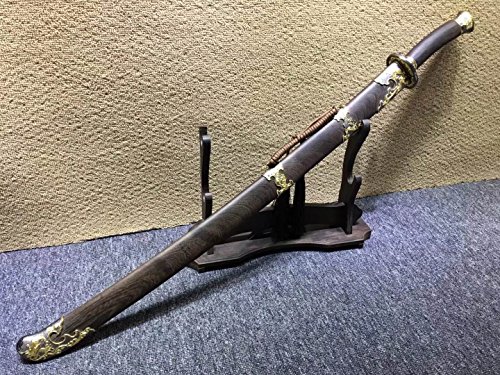
Defining Your Purpose: Display vs. Practice
The first decision in selecting a lin creative sword is determining its primary role. In the realm of creative martial arts, blades generally fall into two categories: decorative showpieces and functional training tools. If your goal is purely aesthetic—such as for a wall mount or a themed costume—you can prioritize intricate engravings, colorful ray skin, and ornate fittings. However, if you intend to perform forms, movements, or drills, you must prioritize structural integrity. A decorative sword often uses stainless steel, which looks beautiful but is brittle and can shatter upon impact. For active use, look for high-carbon steel or spring steel that offers the flexibility required to withstand the stresses of motion.
Material Composition and Blade Geometry
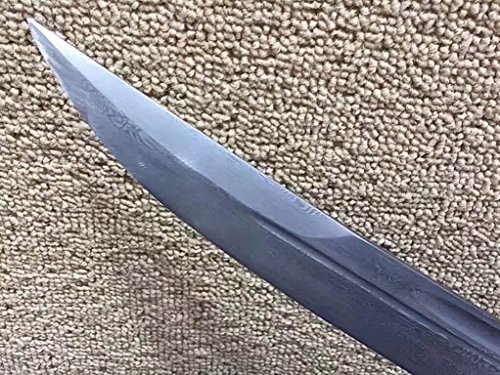
The soul of any sword lies in its steel. For creative designs that maintain martial utility, seek out carbon steel (such as 1045, 1060, or 1095). These materials allow for a blade that is both sharp and resilient. Pay close attention to the 'geometry' of the blade—the cross-section. Creative swords may feature unconventional tapering or wider spines to accommodate unique silhouettes, but these changes affect how the sword cuts and moves through the air. A blade that is too top-heavy due to an exaggerated tip design will fatigue your wrist during extended practice sessions. Look for a balance point that sits close to the guard (tsuba or handguard) to ensure nimble handling.
Hilt Ergonomics and Grip Security
In creative martial arts, the hilt is often where the most visual flair is concentrated. You may encounter exotic materials like carved wood, patterned wraps, or custom-molded resins. While these are visually striking, they must be functional. A grip that is too slick or too bulky will hinder your ability to perform precise transitions or rapid draws. If the sword features a custom wrap, ensure it is tight and provides enough friction for a secure hold. For practitioners, a handle that allows for a natural 'choked up' grip is essential for controlling the blade's momentum during complex maneuvers.
The Importance of Balance and Weight Distribution
A common pitfall in creative sword design is sacrificing weight distribution for visual symmetry. A sword that looks perfectly balanced sitting on a table may feel 'clunky' or 'unresponsive' once swung. When evaluating a piece, consider the 'swing weight.' A creative sword with a heavy, ornate pommel might be designed to shift the center of gravity toward the hand, which is excellent for quick directional changes. Conversely, a blade with a heavy tip is better for powerful, sweeping strikes but requires more core strength to control. Always look for reviews or descriptions that specify the balance point relative to the guard.
Final Inspection: Fittings and Durability
Finally, examine the integration of the components. In creative designs, the junction between the blade, the guard, and the hilt is a common point of failure. Ensure the guard is securely seated and that the hilt is firmly attached to the tang (the part of the blade that extends into the handle). A 'rat-tail tang' (a thin, weak extension) is a significant red flag for any sword intended for anything beyond light handling. For a truly high-quality creative piece, you want a full tang or a very robust peened construction that ensures the blade remains an extension of your arm during use.