Understanding Adhesion Levels and Residue Control
The most important factor when selecting Jinbing masking tape is the adhesive strength, often categorized by the sensitivity of the bond. For delicate surfaces such as freshly painted automotive trim, light-colored walls, or fine art canvases, you must look for 'low-tack' options. These are designed to be peeled away easily without pulling up the underlying substrate or leaving behind a sticky film. Conversely, if you are masking areas that will be exposed to high humidity, varying temperatures, or aggressive cleaning agents, a 'high-tack' variety is necessary to ensure the edges remain sealed. Always check if the product specifies 'residue-free removal,' which is a hallmark of premium crepe paper tapes designed for short-term masking.
Paper Weight and Crepe Texture
The physical composition of the tape dictates how well it conforms to irregular shapes. Jinbing products often feature a crepe-style paper backing, which is slightly textured and highly flexible. When shopping, consider the thickness of this paper. A thinner, more flexible tape is superior for masking around complex curves, such as car bumpers or intricate molding. A thicker, more rigid tape is better suited for long, straight lines where you need the tape to maintain a perfectly straight edge without wrinkling. If your project involves heavy-duty sanding near the masked area, look for a reinforced paper weight that won't tear easily under mechanical friction.
Bleed Resistance and Paint Compatibility
A common failure in masking is 'bleed-through,' where paint seeps under the edge of the tape, ruining the sharp line you worked so hard to create. To prevent this, look for tapes specifically rated for bleed resistance. This is particularly vital if you are using spray paints, lacquers, or heavy acrylics. High-quality masking tape creates a tight seal against the surface tension. Additionally, ensure the tape is compatible with the solvents in your paint. Some cheap tapes can react to high-solvent sprays, causing the adhesive to liquefy and smear. Selecting a tape designed for professional-grade coatings ensures that the line remains crisp even after the paint has fully cured.
Width and Roll Versatility
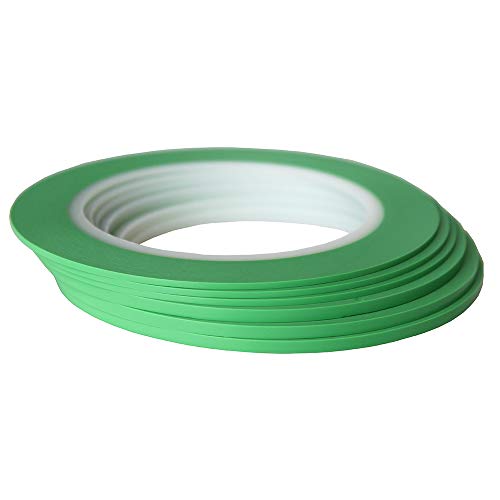
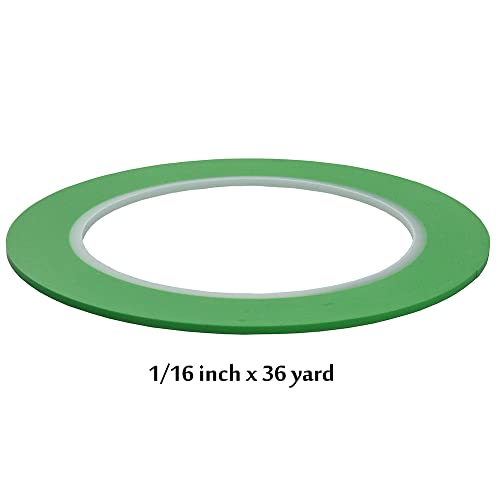
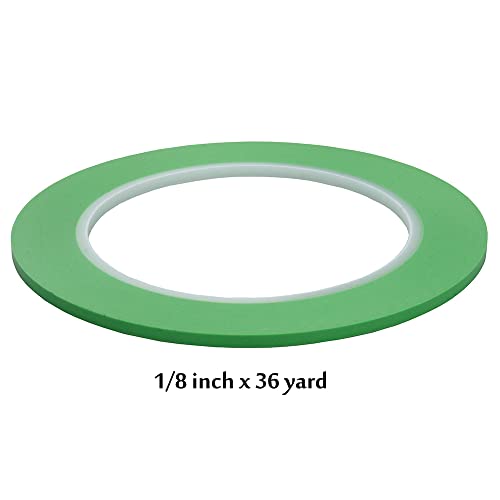
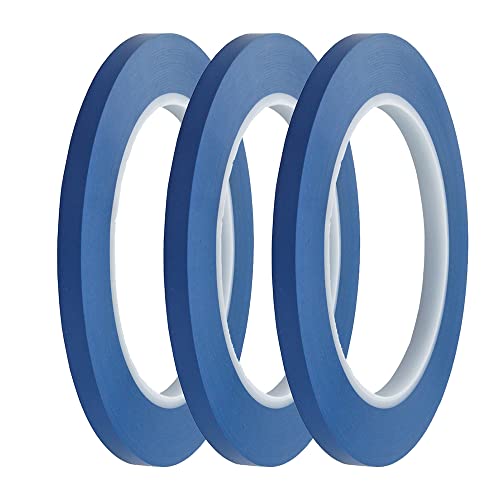
Finally, consider the breadth of your application. While a single width might work for small craft projects, professional workflows benefit from a variety of widths. Narrow tapes (under 1 inch) are essential for fine detailing and tight corners, while wider tapes (2 inches or more) are necessary for masking off large sections of a surface to prevent overspray. When buying in bulk, evaluate the roll length. Consistent roll diameters ensure that you aren't constantly running out mid-project, which can lead to uneven drying times between masked sections.