#TOP1

Navigating the complexities of mass transit requires a shift in mindset from personal vehicle ownership to ecosystem integration. Whether you are a daily commuter looking to optimize your travel time, a traveler planning long-distance journeys, or a municipal planner evaluating mobility solutions, selecting the right transit method involves balancing cost, reliability, and seamless connectivity. This guide moves beyond simple ticket purchasing to explore the strategic layers of modern mobility, helping you identify the most efficient way to move through urban and regional landscapes.
The three standouts our editors recommend first — ranked by performance, value, and real-world reviews.


Public Transit Operations: The Strategic Professional
| SELLER | SELLER SCORE | AMAZON FULFILLED | PRIME | FREE SHIPPING |
|---|---|---|---|---|
| Amazon.com | 9.68 | Yes | Yes | Yes |
Most people assume urban mobility is just about moving vehicles from point A to point B, but true transit management is a high-stakes game of strategic orchestration. Public Transit Operations: The Strategic Professional dives into the complexities of this massive logistical puzzle, offering a perspective that moves beyond simple scheduling. While many industry texts lean heavily into dry theory, this independently published guide feels like a targeted deep dive into the actual mechanics of professional transit leadership. At a price point, it serves as an accessible entry point for those looking to understand the strategic layers required to keep a city moving. It is a focused resource for anyone serious about mastering the intricacies of modern transit systems.
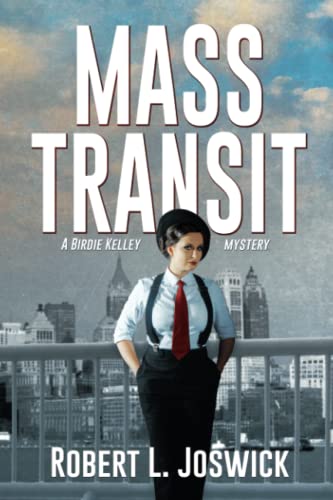

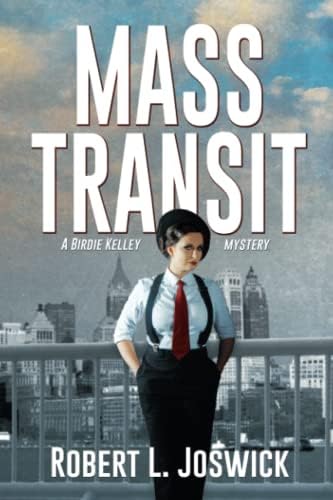
Mass Transit (A Birdie Kelley Mystery)
| SELLER | SELLER SCORE | AMAZON FULFILLED | PRIME | FREE SHIPPING |
|---|---|---|---|---|
| Amazon.com | 9.68 | Yes | Yes | Yes |
Mass Transit offers a sharp, intricate narrative experience that stands in stark contrast to the predictable, cookie-cutter plots most mystery readers settle for. As part of the Birdie Kelley series, this installment pulls you into a world where every detail matters and the tension is palpable from the first page. It is the kind of read that demands your full attention, making it much more than just a way to pass the time. While some mysteries feel like they are running on autopilot, this one feels intentional and layered. If you are looking for a story that respects your intelligence and keeps you guessing until the final chapter, this is a solid addition to your bookshelf.
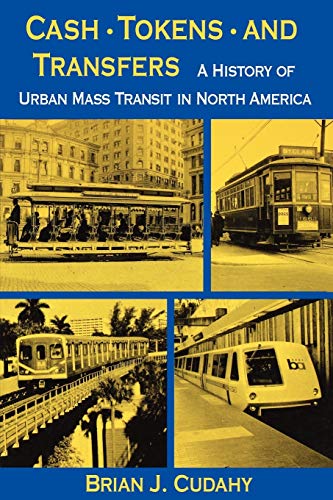

Cash, Tokens, & Transfers: A History of Urban Mass Transit in North America
| SELLER | SELLER SCORE | AMAZON FULFILLED | PRIME | FREE SHIPPING |
|---|---|---|---|---|
| Amazon.com | 9.68 | Yes | Yes | Yes |
Imagine sitting on a modern subway car and wondering exactly how the transition from physical coins to digital swipes reshaped the very fabric of our cities. This Fordham University Press publication pulls back the curtain on that evolution, offering a deep dive into the economic and social mechanics of North American mass transit. It isn't just a dry list of dates. It is a narrative about how money moves people. While this specific copy is a used book in good condition, the scholarly depth remains intact for any urban historian or transit enthusiast. It serves as a vital bridge between understanding modern commuting habits and the complex historical systems that laid the groundwork for our current urban landscapes.

Mass Motorization and Mass Transit: An American History and Policy Analysis
| SELLER | SELLER SCORE | AMAZON FULFILLED | PRIME | FREE SHIPPING |
|---|---|---|---|---|
| OrangeandBlueBooks | 8.48 | No | No | No |
Mass Motorization and Mass Transit: An American History and Policy Analysis offers a deep, academic dive into the evolution of American movement. Published by Indiana University Press, this volume serves as a critical bridge between historical narrative and modern policy analysis. Instead of just listing dates, it explores how the shift toward personal vehicles fundamentally reshaped our infrastructure and social landscape. It is an essential read for anyone interested in urban planning or the socio-economic forces that drove the rise of the automobile. At a highly accessible price point, it provides scholarly depth without the typical barrier of expensive academic texts. Whether you are a student or a transit enthusiast, this book provides the necessary context to understand our current transportation dilemmas.

The Great American Transit Disaster: A Century of Austerity, Auto-Centric Planning, and White Flight (Historical Studies of Urban America)
| SELLER | SELLER SCORE | AMAZON FULFILLED | PRIME | FREE SHIPPING |
|---|---|---|---|---|
| Amazon.com | 9.68 | Yes | Yes | Yes |
Urban planners and history buffs will find this book an absolute necessity for understanding why our modern cities feel so fractured. The Great American Transit Disaster provides a deep, unflinching dive into the systemic forces that dismantled public transportation in favor of car culture. It isn't just a dry collection of dates. It is a compelling narrative that connects decades of austerity and white flight to the very roads we drive on today. Reading this feels like finally seeing the blueprint of an architectural mistake that has shaped a century of American life. If you have ever wondered why urban transit feels like an afterthought in the United States, this text offers the definitive, sobering explanation.

The first step in selecting a transit solution is categorizing the type of movement you require. Mass transit is not a monolith. It is divided into several distinct layers. Heavy rail and subways are designed for high-capacity, high-frequency urban movement, typically bypassing surface traffic. Light rail and trams offer a middle ground, often serving specific corridors with more frequent stops. For longer distances, regional rail or commuter trains provide the necessary speed and comfort for inter-city travel. Finally, bus rapid transit (BRT) and standard bus networks offer the highest level of flexibility and coverage, reaching areas where rail infrastructure is absent. Your choice should be dictated by your specific route: if you are crossing a dense metropolitan core, rail is almost always superior to bus travel due to the elimination of road congestion.
In mass transit, the most valuable currency is time. When evaluating a transit system or a specific line, do not look solely at the speed of the vehicle, but at the frequency of the service. A train that travels at 80 mph but only arrives once every hour is often less useful to a commuter than a bus that travels at 20 mph but arrives every six minutes. High-frequency service reduces 'wait anxiety' and allows for spontaneous travel without meticulous scheduling. Additionally, look for systems that offer real-time tracking data. The ability to see exactly where your vehicle is via a digital interface is a critical component of modern transit reliability.
The most efficient transit users rarely rely on a single mode of transport. The hallmark of a superior transit network is 'intermodality'—the ease with which you can switch from a train to a bus, or from a subway to a bike-share program. When selecting your primary transit route, consider the 'last mile' problem: how will you get from the station to your final destination? Systems that are integrated with micro-mobility options (e-scooters, bicycles) or have robust feeder bus networks are significantly more valuable than isolated rail lines that leave you stranded a mile from your office.
Evaluating transit cost involves more than just the price of a single fare. You must consider the total cost of mobility, which includes monthly pass discounts, off-peak pricing, and the hidden costs of transfers. Many systems offer tiered pricing models where a single fare covers multiple transfers within a specific window. A smart transit strategy involves identifying these windows to minimize expenditure. Furthermore, consider the 'opportunity cost' of your travel time. If a cheaper bus route takes twice as long as a more expensive express train, the extra time spent commuting may outweigh the monetary savings.
Finally, consider the physical experience of the transit. For those traveling with luggage, strollers, or mobility aids, the presence of level boarding, wide aisles, and dedicated spaces is non-negotiable. For the professional commuter, amenities such as onboard Wi-Fi, power outlets, and climate control can transform transit time into productive work time. Always weigh these comfort factors against your budget and schedule to find the optimal balance for your lifestyle.
Quick answers about Mass Transit before you buy.
Share of top-ranked products by brand, from our editorial analysis.
We've carried out a comprehensive analysis of 36 reviews on Mass Transit, using our selection criteria to identify the best options in the categories. Our findings reveal that most customers typically select Mass Transit priced around $22.61, with top brands including fordham university press and indiana university press and independently published.
Our team of expert editors reviewed these high-quality items and handpicked the top 5 Mass Transit for your consideration. We've also done extensive research on numerous sellers, identifying the best ones in the categories category — including and amazon.com and orangeandbluebooks.
We are dedicated to assisting our users in finding the right transit Products based on their needs, saving them considerable time when choosing which Mass Transit to buy. We take pride in the number of satisfied users we've helped through our thorough and insightful reviews.
Compare the top 5 picks at a glance — select a column to sort.


