Understanding Material Density and Loft
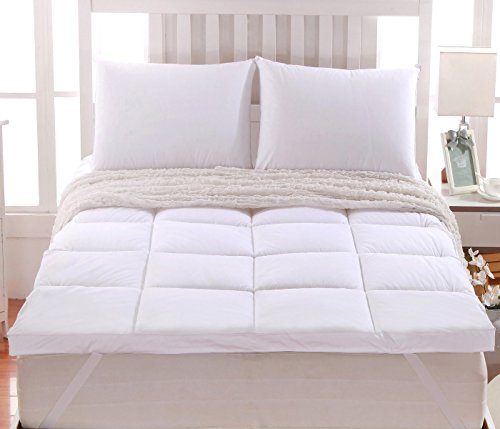
The most critical decision in selecting a hotel-grade topper is the core material. In luxury hospitality, you will typically see three main contenders: down/feather, memory foam, and latex. Down or feather toppers offer that classic, airy, 'puffy' sensation found in high-end boutique hotels. They provide immediate loft and a sense of being enveloped in softness, though they require frequent fluffing to maintain their shape. Memory foam, conversely, provides contouring support that targets pressure points in the hips and shoulders, making it ideal for side sleepers. For those seeking a hybrid experience, look for high-density foam that offers the responsiveness of latex with the plushness of traditional padding. The 'loft'—or the thickness of the topper—should be substantial enough to provide a distinct tactile difference without making the bed feel unstable or causing you to roll off the edges.
Temperature Regulation and Breathability
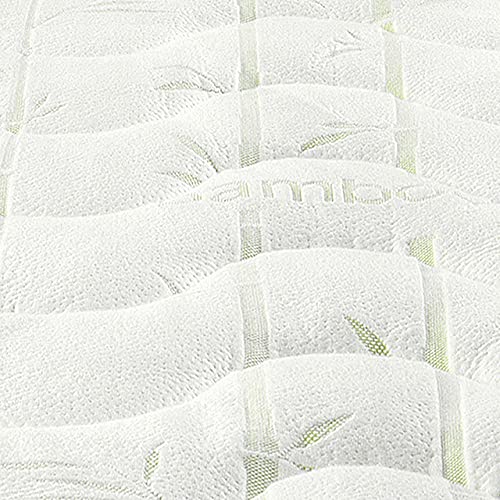
A common complaint with budget toppers is the 'heat trap' effect, where the material retains body heat and leads to night sweats. Royal hotel bedding is specifically engineered to be breathable. When shopping, prioritize materials that feature advanced cooling technologies. If choosing memory foam, ensure it is an 'open-cell' structure or infused with cooling gels designed to dissipate heat. If you prefer natural fibers, look for organic cotton covers or wool-blend toppers, as these materials naturally wick moisture away from the body. A topper that lacks airflow will negate the luxury experience, turning a soft bed into an uncomfortably warm one.
Weight, Support, and Edge Stability
A common mistake is choosing a topper that is too soft, which can lead to a 'sinking' feeling that makes it difficult to change positions during the night. To mimic a professional hotel setup, you want a topper that offers 'supportive softness.' This means the topper should cushion your body while still allowing the underlying mattress to provide structural integrity. Additionally, consider the weight of the topper. A very heavy foam topper can be difficult to rotate or clean, whereas a lightweight down topper is easy to manage but may require more frequent maintenance. Ensure the topper has a secure fastening system, such as deep elastic skirt edges or corner straps, to prevent it from shifting and bunching during sleep.
Maintenance and Longevity
Luxury bedding is an investment, and its lifespan depends heavily on how it is maintained. Check if the outer cover is removable and machine-washable. A topper with a non-removable cover is much harder to keep hygienic over time. For down-filled options, check the 'fill power'—the higher the fill power, the more loft and longevity you can expect. For foam options, look for certifications that ensure the material is free from harmful chemicals, as you will be breathing in close proximity to these materials for several hours every night. A high-quality topper should retain its shape and resilience for several years without significant flattening or loss of support.