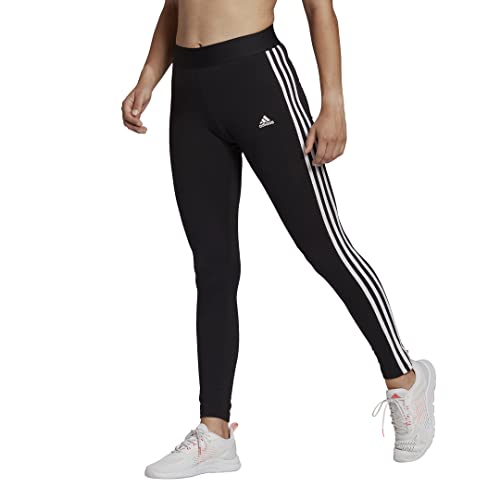
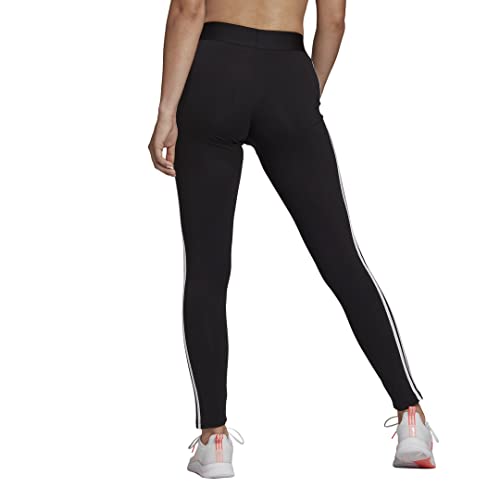
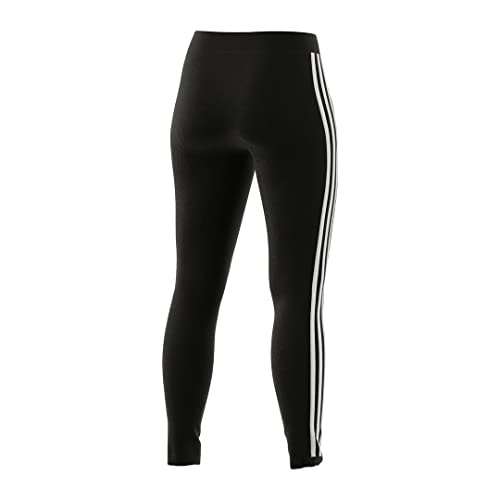
Fabric Composition and Moisture Management
The most critical factor in selecting athletic leggings is the textile blend. You should prioritize synthetic blends—typically a mix of polyester or nylon with a high percentage of elastane (Spandex or Lycra). Nylon tends to feel smoother and more durable, making it ideal for high-friction activities, while polyester is often superior at moisture wicking and drying quickly. Avoid heavy cotton blends at all costs. Cotton absorbs sweat, becomes heavy, loses its shape, and can cause chafing during repetitive movements. Look for 'four-way stretch' technology, which ensures the fabric expands and recovers both crosswise and lengthwise, preventing the dreaded 'baggy knee' effect after a workout.
Compression Levels and Muscle Support
Compression is not a one-size-fits-all metric. You must decide whether you need 'low compression' for comfort and mobility or 'high compression' for performance and recovery. Low-compression leggings are excellent for yoga, mobility work, or as a base layer under shorts. They provide a snug fit without feeling restrictive. High-compression leggings, however, are engineered to apply graduated pressure to the muscles. This helps increase blood flow, reduce muscle oscillation (vibration) during high-impact running, and potentially accelerate recovery by minimizing swelling. If your goal is heavy lifting or long-distance running, prioritize a higher elastane percentage to ensure the garment provides meaningful structural support.
Seam Construction and Chafing Prevention
Because leggings sit directly against the skin, the way they are put together is just as important as the fabric itself. Look for 'flatlock stitching.' Traditional raised seams can create friction points, leading to painful chafing in the inner thigh or groin area during long sessions. Flatlock seams lie flat against the skin, distributing pressure evenly and reducing irritation. Additionally, pay attention to the waistband construction. A wide, reinforced waistband is essential for men to prevent the leggings from rolling down or shifting during dynamic movements like burpees, lunges, or sprinting. A seamless waistband design often provides a more ergonomic fit that stays secure without digging into the abdomen.
Thermal Regulation and Layering Utility
Your intended environment should dictate the weight of the garment. For indoor gym sessions, lightweight, breathable mesh panels in high-heat zones (like the back of the knees) can provide much-needed ventilation. If you are training outdoors in winter, look for 'brushed' interiors. A brushed fleece or thermal lining traps a thin layer of air against the skin, providing insulation without adding excessive bulk. Furthermore, consider the opacity of the fabric. When selecting lighter-weight or lighter-colored leggings, perform a 'squat test' to ensure the fabric remains opaque under tension, preventing transparency during deep movements.
Functional Details and Pockets
Modern athletic leggings often incorporate utility features that can change your training experience. For runners, integrated side pockets or a concealed waistband pocket for a key or gel pack can be a game-changer. For weightlifters, a seamless design without bulky pockets is usually preferred to avoid distractions. Always check if the leggings include a gusseted crotch—a triangular piece of fabric sewn into the crotch area—which allows for a greater range of motion and prevents the fabric from pulling uncomfortably during wide-stance movements.