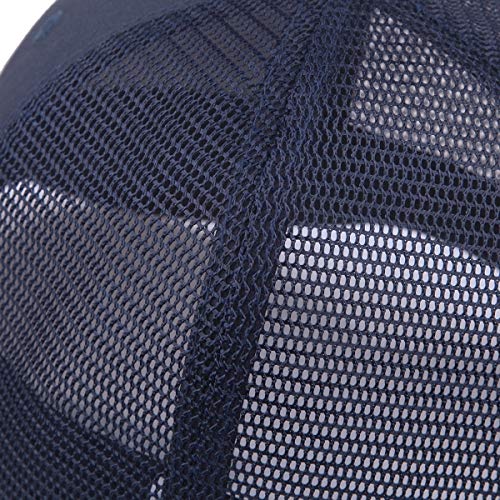
Understanding Cap Construction: Structured vs. Unstructured
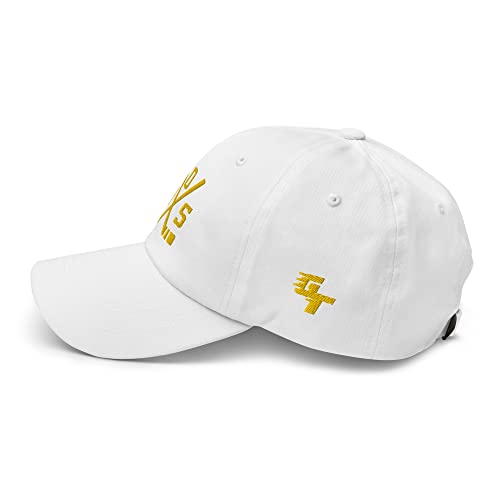
The first major decision you will face is the silhouette of the hat. This is determined by whether the crown is 'structured' or 'unstructured.' A structured cap features a stiff fabric interfacing behind the front panels, allowing the hat to maintain its shape even when not being worn. These are ideal if you prefer a crisp, high-profile look that stands out. On the other hand, unstructured caps are made from softer materials that collapse against the head, offering a more relaxed, 'dad hat' aesthetic. If you want a low-profile, casual look that conforms to your head shape, go unstructured. If you want a more formal, athletic, or architectural appearance, choose a structured build.
Material Selection and Seasonal Utility
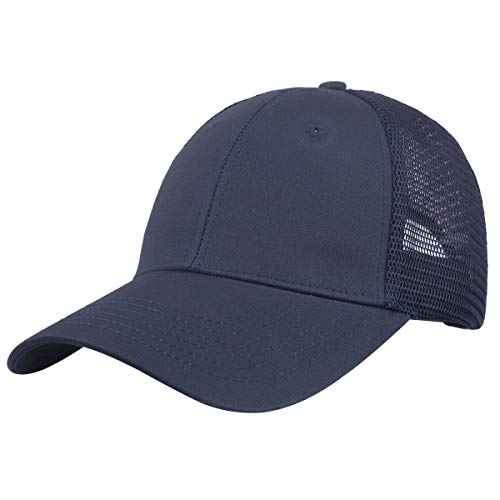
The fabric of your cap dictates its breathability, durability, and overall vibe. Cotton twill is the industry standard for a reason. It is breathable, easy to clean, and develops a unique character over time. For a more premium, rugged feel, look for heavy-duty canvas or brushed cotton. If you are selecting a cap for high-intensity outdoor use or summer heat, performance synthetics or moisture-wicking blends are superior because they manage sweat more effectively than natural fibers. For colder climates or a more sophisticated fashion statement, corduroy or wool blends offer texture and warmth that standard cotton cannot match.
The Brim: Flat vs. Curved
The brim (or visor) significantly alters the wearer's facial profile. Curved brims are the classic choice, offering a traditional athletic look and better protection from sunlight by shielding the eyes more effectively. They are generally more flattering for most face shapes as they help frame the eyes. Flat brims, often associated with skate culture and modern streetwear, provide a bolder, more aggressive silhouette. Keep in mind that flat brims are often more difficult to 'break in' and can feel more cumbersome if you are used to traditional headwear. If you prefer versatility, a curved brim is the safer, more timeless investment.
Fit and Closure Systems
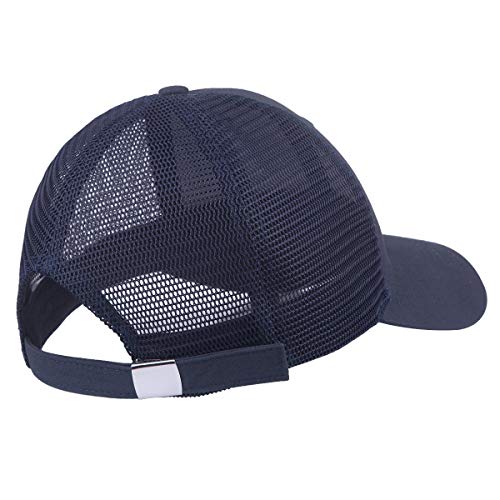
A cap that is too tight will cause discomfort and headaches, while one that is too loose will constantly slip over your eyes. To ensure a perfect fit, pay close attention to the closure mechanism. 'Snapbacks' utilize a plastic strap for an adjustable, retro feel. 'Strapback' caps use a fabric or leather strap with a metal buckle, offering a more refined and premium appearance. 'Fitted' caps have no adjustment mechanism and are sized specifically to your head circumference. While fitted caps offer the most seamless look, they require precise measurement. If you are unsure of your exact size, an adjustable snapback or strapback provides the most flexibility and ease of use.
Key Decision Logic
When making your final selection, follow this hierarchy: First, define your primary use case (daily casual wear vs. athletic performance). Second, choose your silhouette (structured for presence, unstructured for comfort). Third, select a material that matches your climate. By prioritizing these three pillars, you avoid the common mistake of buying a hat that looks good on a shelf but fails in real-world application.