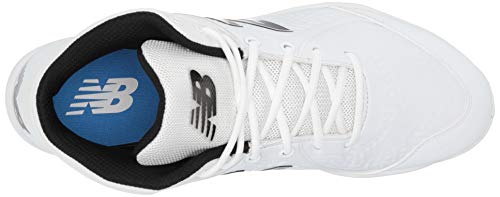
The most critical decision you will make is choosing between metal cleats and molded plastic cleats. Metal cleats are the standard for competitive high school, collegiate, and professional play. They provide unparalleled penetration into the soil, offering maximum grip for sudden stops and directional changes. However, they can be aggressive on artificial turf and may be restricted in certain recreational leagues.
Molded cleats, constructed from hard plastic, are the preferred choice for recreational players, youth leagues, and those playing primarily on artificial turf. They offer a smoother transition between surfaces and are generally more forgiving on the joints. If you frequently play on hybrid surfaces—part grass, part turf—look for a 'hybrid' cleat design that blends the two styles to ensure you don't lose traction during transitions.
Surface Compatibility and Traction Patterns
Not all outsoles are created equal. A cleat pattern designed for heavy, damp dirt will perform poorly on a dry, hard-packed infield. For baseball and softball, look for strategic stud placement. Infielders often benefit from shorter, more numerous studs that allow for quick, lateral pivots, whereas pitchers and outfielders may prefer longer cleats that dig deep into the mound or provide stability during long sprints.
If your season involves a lot of turf time, avoid long metal spikes, as they can cause instability and even ankle rolls on synthetic surfaces. Instead, opt for a multi-studded molded plate that distributes weight evenly across the artificial fibers.
Stability and Lateral Support
Baseball and softball are sports defined by lateral movement—shuffling in the infield, pivoting at second base, or bracing during a swing. A shoe with a flimsy upper will lead to 'foot roll,' which increases the risk of ankle sprains. Look for footwear with reinforced sidewalls and a structured heel counter. A wide toe box is also essential. As you plant your feet to swing, your feet naturally spread. If the shoe is too narrow, you will experience cramping and loss of balance.
Weight vs. Durability
There is a constant tug-of-war between lightweight materials and long-term durability. Modern synthetic uppers are incredibly light, which helps with speed, but they can sometimes tear at the flex points near the toes. Leather uppers offer superior durability and a 'broken-in' feel that molds to your foot over time, but they are typically heavier and require more maintenance. If you are a high-intensity player, prioritize a mid-weight shoe that uses high-grade synthetic overlays to reinforce high-wear areas like the toe drag zone.
Comfort and Impact Absorption
Because diamond sports involve constant impact—running on hard ground and jumping—midsole cushioning is vital. Look for EVA foam or specialized gel inserts in the heel to absorb shock. This is particularly important for players who spend a lot of time on their feet during long doubleheaders. A well-cushioned shoe reduces fatigue, allowing you to maintain your form and speed into the late innings of a game.