Prioritizing Fabric Composition and Breathability
When selecting bikini briefs, the material is the most critical factor in determining long-term comfort. Because bikini cuts feature less fabric, the skin-to-fabric ratio is higher, meaning the quality of the textile directly impacts temperature regulation. Look for high-quality microfibers or modal blends. Modal is particularly prized in men's intimate apparel because it is significantly softer than cotton and possesses natural moisture-wicking properties. If you are prone to overheating, prioritize synthetic blends designed for athletic performance, which facilitate airflow and prevent moisture buildup. Avoid heavy, thick cottons that may lose their shape or become heavy when damp.
Understanding the Cut and Rise
Not all bikini briefs are created equal, and the 'rise' of the waistband will dictate how the underwear sits on your hips. A low-rise cut is ideal for those who prefer to wear their trousers lower on the waist or for those who want to minimize the appearance of the waistband under slim-fit clothing. Conversely, a mid-rise cut offers a more traditional feel and can provide more security for the abdominal area. Pay close attention to the leg openings. A true bikini cut should feature a narrow leg opening that sits high on the thigh, providing an unobstructed range of motion. This is essential for preventing the fabric from bunching or riding up during daily movement.
Support Systems and Pouch Construction
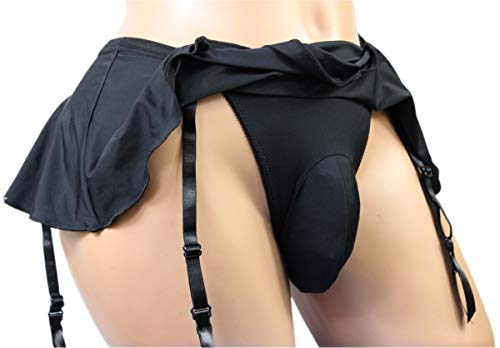
The primary functional difference between a standard brief and a premium bikini brief is the pouch design. A well-constructed pair should feature a contoured pouch that provides anatomical support without feeling restrictive. Look for '3D' or 'ergonomic' pouch designs, which use extra fabric or specific stitching to create a pocket for the male anatomy. This prevents flattening and ensures that everything stays centered and secure. If the pouch is too flat, you may experience discomfort or a 'squashed' sensation. If it is too loose, you lose the primary benefit of the bikini cut, which is containment and support.
Waistband Integrity and Aesthetics
The waistband serves as the anchor for the entire garment. A high-quality waistband should be wide enough to distribute pressure evenly across your hips, preventing the dreaded 'digging in' sensation. Look for brushed elastic or microfiber-wrapped waistbands, which feel soft against the skin and resist rolling or curling after multiple washes. Beyond function, the aesthetic of the waistband often defines the style of the brief. Minimalist, tonal waistbands offer a sophisticated, understated look, while branded or contrasting elastic bands can provide a more modern, athletic vibe. Choose a style that aligns with your personal preference and the type of clothing you wear most frequently.
Sizing for Minimal Coverage
Because bikini briefs are designed to be snug, sizing is more sensitive than with loose-fitting boxers. If you are between sizes, it is generally safer to size up. A brief that is too small will cause the waistband to roll and the pouch to feel overly compressed, while a brief that is too large will lose its ability to provide the intended support. Always check the specific measurements provided for the brand, as bikini cuts often run smaller in the hip area than standard briefs.