Prioritize Material Integrity and Texture
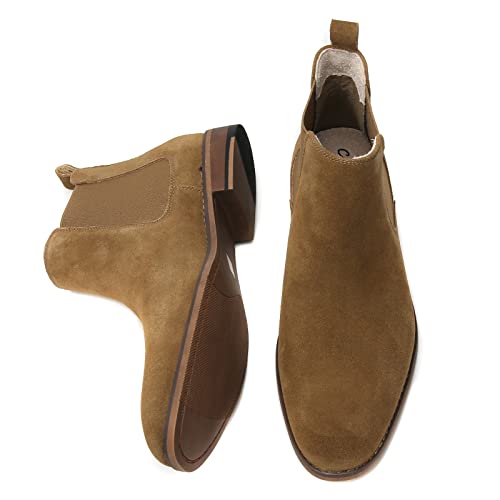
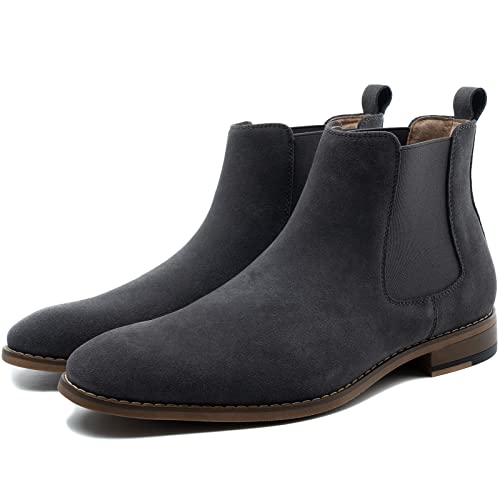
The primary differentiator in a high-quality Chelsea boot is the upper material. Cestfini designs often lean into smooth, polished finishes that catch the light, which is ideal for formal settings. However, you must decide between genuine leather and high-grade synthetic alternatives. Genuine leather offers superior breathability and develops a unique patina over time, meaning the boots will actually look better as they age. If you prefer a more matte, rugged look, seek out suede or nubuck textures. Suede provides a softer, more casual aesthetic that pairs perfectly with denim, though it requires more frequent maintenance with protective sprays to prevent water spotting and staining.
Analyze the Elastic Side Panel (The Gore)
The defining characteristic of a Chelsea boot is the elasticated side panel, often referred to as the 'gore.' This is not just a stylistic choice. It is a functional necessity for ease of entry. When evaluating a pair, check the tension and width of the elastic. If the elastic is too loose, the boot will lose its shape and start to slouch around your ankles, ruining the sleek silhouette. If it is too tight, you will struggle to pull them on, and the tension may cause discomfort throughout the day. Look for high-density elastic that retains its snap even after repeated stretching.
Evaluate Sole Construction and Profile
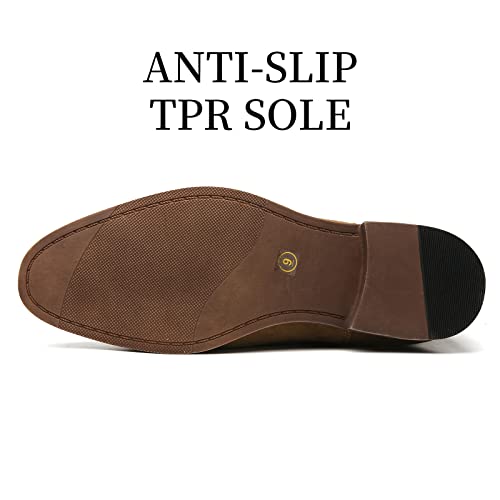
The sole dictates the 'vibe' of the boot and its practical utility. For a sophisticated, formal appearance, look for a slim, low-profile sole—often made of leather or thin synthetic compounds. These are excellent for slim-fit trousers and dressier occasions. Conversely, if you intend to wear your boots in urban environments with varying terrain, a lugged rubber sole is a superior choice. A thicker, textured sole provides better traction and shock absorption, making them more suitable for casual streetwear. Pay close attention to the welt—the area where the upper meets the sole. A clean, integrated welt suggests better longevity and a more streamlined look.
Consider the Toe Shape and Silhouette
The shape of the toe box significantly impacts how the boot interacts with your footwear rotation. A rounded toe is the most traditional and versatile, offering a classic look that works well with straight-leg jeans. An almond toe offers a more modern, fashion-forward silhouette that elongates the leg, making it a favorite for those wearing tapered or slim-cut trousers. Avoid overly pointed toes if you prefer a timeless aesthetic, as they can lean too heavily into specific trends that may date quickly. The goal is to find a balance where the boot complements the lines of your leg without looking disproportionately heavy or overly delicate.
Sizing and Fit Nuances
Chelsea boots should fit snugly but not constrictively. Because they lack laces, you cannot 'tighten' them to compensate for a slight misfit. There should be minimal heel slip when walking. Excessive slipping indicates the boot is too large or the elastic is too weak. Ensure there is enough room in the toe box to allow for natural foot expansion during the day, but the midfoot should feel secure to maintain that iconic, streamlined Chelsea profile.