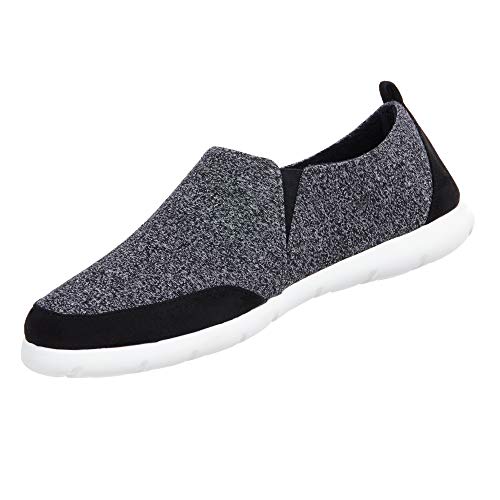


Isotoner Men's Zenz Sport-Knit Indoor/Outdoor Slippers, Black, 13
ISOTONER
A95049BLK13
0.36 Pounds
- LIGHTWEIGHT COMFORT: Our revolutionary sneaker style slip on walking shoe for men offers a patented sole made with Everywear technology that is 50% lighter than rubber, making it virtually weightless compared to traditional slippers
- STYLE: Boasting a sleek and modern design, this Zenz closed back shoe backs it up with a moisture wicking heather knit upper that easily handles an on-the-go lifestyle
- VERSATILE HOUSE SHOE: Inspired by athleisure footwear, this ‘better than memory foam’ slip-on provides all-day support anywhere you go. From your home office, working around your house, or even taking a walk, Zenz make the ideal indoor/outdoor shoe
- RELIEF FOR HURTING FEET: On your feet all day? After work minimize the effects hard surfaces have on your feet with Zenz! Our Everywear foam soles offer a cloud like cushioned experience to help relax and rejuvenate your feet for the next day
- COMFORT FOR FOOT AILMENTS: Give your feet the much-needed relief they deserve! The soft, cushioned soles help ease medical foot ailments like plantar fasciitis or bunions
- DURABLE: Our revolutionary Everywear sole provides lasting arch support while also being entirely compression resistant! Small punctures even self-heal to keep your slipper’s sole waterproof. This slipper is built to last a lifetime
- EASY ON AND OFF: Elastic gore panels on both sides provides stretch for easy on and off while holding tension to keep your foot in place while wearing
- MACHINE WASHABLE: Crafted out of long lasting materials, these shoes can be cleaned to help decrease the spread of germs and keep them feeling brand new. For best results, machine wash in cold water and air dry
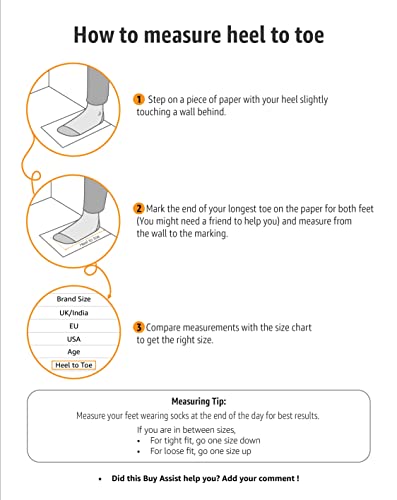
- SIZE TIP: Men Zenz size ranges from 8, 9, 10, 11, 12, and 13 when available. Zenz run a bit snug, if you are a half size or enjoy wearing socks for extra comfort, we suggest sizing up
| SELLER | SELLER SCORE | AMAZON FULFILLED | PRIME | FREE SHIPPING |
|---|---|---|---|---|
| Amazon.com | 9.68 | Yes | Yes | Yes |


