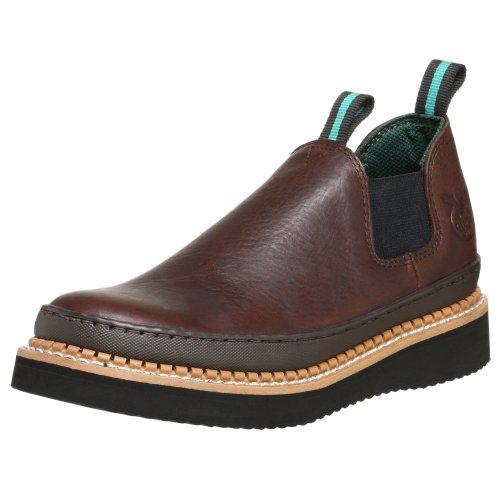
Prioritize Safety Toe Standards
The most fundamental decision in selecting Georgia construction shoes is the type of toe protection required by your specific job site. Most professionals will choose between a steel toe and a composite toe. Steel toes offer the highest level of impact and compression resistance, making them ideal for heavy demolition or environments where massive objects are frequently moved. However, they can be heavier and conduct temperature, meaning they get colder in winter and hotter in summer. Composite toes, made from non-metallic materials, are lighter and do not conduct heat, making them a better choice for those working in extreme temperatures or environments where metal detectors are a concern. Always verify if your specific job site mandates a specific rating before purchasing.
Material Construction and Breathability
Construction environments vary wildly in terms of moisture and temperature. If you are working in dry, indoor settings, a premium full-grain leather shoe offers unmatched durability and a classic look that ages well. However, if your work involves high activity or hot climates, look for Georgia models that incorporate breathable mesh or specialized waterproof membranes. A waterproof lining is essential if you are working in mud, rain, or damp concrete environments, as it keeps moisture out while allowing internal perspiration to escape. Without proper breathability, you risk blisters and fungal issues caused by trapped heat and sweat.
Outsole Traction and Slip Resistance
A construction site is a minefield of uneven surfaces, spilled liquids, and loose debris. The outsole of your shoe is your primary defense against slips and falls. Look for deep, multi-directional lug patterns that can bite into soft dirt and gravel, but also ensure the rubber compound is rated for slip resistance on smooth, oily, or wet surfaces. A high-quality rubber outsole will provide the necessary grip on concrete slabs while offering enough flexibility to allow for a natural walking gait, reducing the strain on your calves and Achilles tendons.
Support and Ergonomics for Long Shifts
The difference between a good shoe and a great shoe often lies in the internal architecture. Because construction work involves standing on hard surfaces for 8 to 12 hours at a time, look for enhanced midsole cushioning. Georgia Boot often utilizes specialized footbeds designed for shock absorption. Pay attention to arch support. If the shoe is too flat, your feet will fatigue quickly, leading to lower back pain. A well-constructed construction shoe should provide a stable heel cup to prevent rolling and enough lateral support to keep your foot secure when navigating uneven terrain or climbing ladders.
Summary Recommendation Logic
To make the final call, categorize your workday. If you are a heavy-duty laborer in high-impact zones, prioritize steel toes and thick leather. If you are a technician or carpenter who moves frequently between indoor and outdoor settings, lean toward composite toes and breathable, waterproof hybrids. Finally, if you spend most of your time on your feet on hard concrete, prioritize the density of the midsole cushioning over pure weight savings.