Identify Your Dance Discipline
The most critical factor in your selection is the specific style of dance you practice. Dance shoes are not interchangeable. For ballroom disciplines like Waltz or Foxtrot, you need shoes with a smooth leather or suede sole to allow for effortless gliding and pivots. Conversely, Latin and Rhythm dancers require a different level of grip to facilitate rapid footwork and weight shifts without slipping. If you are venturing into Swing or Jazz, you might look for shoes with a slightly more flexible sole and more robust arch support to handle the high-impact nature of the movements. Social dancers may prefer a hybrid shoe that offers enough stability for the dance floor but remains stylish enough for a night out.
Sole Material and Traction Control
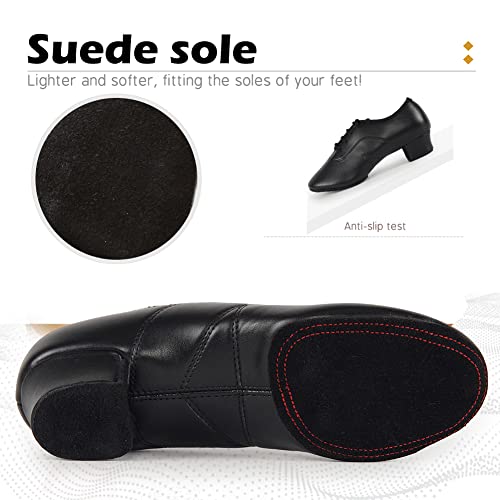
The sole is the engine of the dance shoe. Most professional-grade shoes feature suede soles, which provide the perfect balance of 'controlled slip.' Suede allows you to spin on your axis without catching the floor, yet provides enough friction to prevent uncontrolled sliding. For those performing in environments with harder surfaces or less-than-ideal flooring, you must consider the level of traction required. Some modern dance shoes incorporate specialized rubber components in the forefoot to assist with stability, but be cautious: too much grip can hinder your ability to turn, leading to unnecessary strain on your knees and ankles.
Support, Flexibility, and Arch Construction
A common mistake is prioritizing looks over structural integrity. A quality dance shoe must mirror the natural contour of your foot. Look for a shoe that offers significant flexibility in the ball of the foot, allowing you to point your toes and articulate your movements with precision. However, flexibility should not come at the cost of arch support. If the shoe is too flimsy, your foot will fatigue rapidly during long rehearsals or performances. The shank—the internal structure of the shoe—should provide enough rigidity to support your weight during transitions while remaining supple enough to allow for complex footwork.
Fit and Material Durability
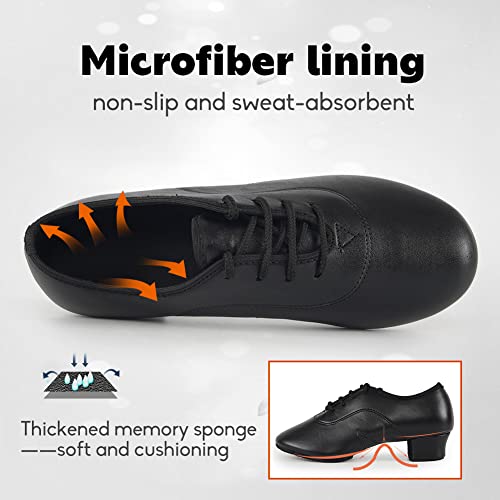
Because dance involves constant movement, a proper fit is non-negotiable. Your feet will likely swell during an intense session, so ensure the toe box provides enough room to prevent cramping, while the heel remains secure to prevent slipping. Leather is generally the preferred material for high-end dance shoes because it molds to the shape of your foot over time, creating a customized fit. Synthetic materials are more affordable and easier to clean, but they often lack the breathability and long-term shaping capabilities of genuine leather. When trying on shoes, pay close attention to the heel cup. If your heel lifts out of the shoe while walking, you will lose the stability required for technical dancing.
Aesthetics and Occasion
Finally, consider the visual impact. In competitive settings, your shoes should complement your costume and enhance the lines of your legs. For men, this often means choosing a sleek, streamlined silhouette that doesn't look bulky. Whether you are opting for a classic patent leather look for formal ballroom or a more rugged, contemporary style for street dance, ensure the finish of the shoe matches the level of formality of your dance discipline.