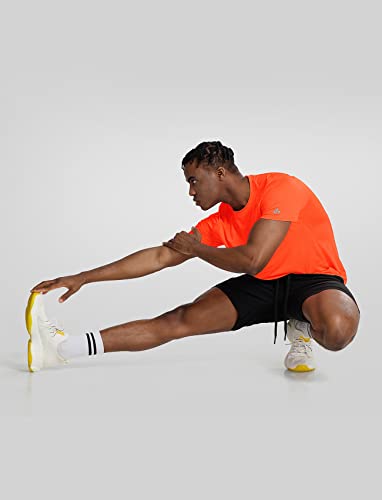
Prioritize Fabric Composition and Moisture Management
The most critical factor in any fitness shirt is the textile technology used. You should look for synthetic blends—typically involving polyester, nylon, or elastane—that are engineered for moisture-wicking. Unlike cotton, which absorbs sweat and becomes heavy and abrasive, performance fabrics are designed to pull moisture away from your skin to the outer layer of the garment where it can evaporate quickly. When evaluating options, check for 'four-way stretch' capabilities. This ensures that whether you are performing overhead presses or deep squats, the fabric moves with your muscles rather than resisting them, preventing the shirt from riding up or restricting your breathing.
Consider the Fit and Compression Levels
The 'fit' of a fitness shirt dictates how it interacts with your body during high-intensity movement. There are generally three categories to consider: compression, slim fit, and relaxed fit. Compression shirts are designed to hug the muscles tightly, providing a sense of stability and improved blood flow, which many athletes prefer for recovery and muscle support. Slim-fit shirts offer a streamlined silhouette that stays close to the body without the intense pressure of full compression, making them ideal for general weightlifting. If your primary focus is cardio or outdoor activities where airflow is paramount, a relaxed fit may be more comfortable to prevent overheating. Always consider your body type and the specific intensity of your training when deciding between these profiles.
Evaluate Breathability and Thermal Regulation
A shirt that looks great but traps heat will quickly become unbearable during a HIIT session or a long run. Look for shirts that incorporate mesh paneling or laser-cut perforations in high-sweat zones, such as the underarms, back, and chest. These design elements facilitate targeted ventilation. Furthermore, consider the weight of the fabric. 'Lightweight' fabrics are superior for hot climates and indoor gym environments, whereas 'mid-weight' blends might be better suited for outdoor training in cooler temperatures. The goal is to find a balance where the shirt regulates your core temperature without leaving you feeling chilled once you stop moving.
Durability and Seam Construction
Fitness shirts undergo significant stress from repetitive movements and frequent laundering. To ensure your investment lasts, inspect the seam construction. Flatlock stitching is the gold standard for athletic apparel. It lays flat against the skin to prevent chafing and irritation during long bouts of movement. Avoid shirts with bulky, raised seams that can cause friction points. Additionally, check the resilience of the neckline and cuffs. High-quality performance shirts should retain their shape even after dozens of wash cycles, resisting the dreaded 'stretched out' look that plagues lower-quality athletic wear.
Summary of Decision Logic
When making your final selection, follow this hierarchy: First, confirm the fabric is moisture-wicking and synthetic. Second, select a fit (compression vs. relaxed) based on your specific sport. Third, verify the presence of ventilation features like mesh zones. Finally, ensure the stitching is flatlock to maximize comfort and durability. By following this technical checklist, you ensure that your apparel works as hard as you do.