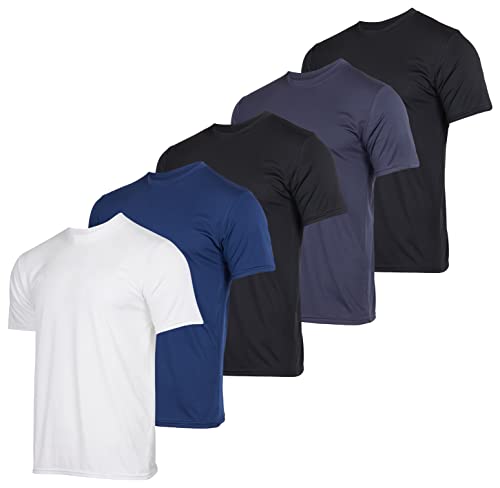
Prioritize Fabric Technology and Moisture Management
The most critical factor in football clothing is how the material reacts to sweat and movement. High-performance football gear utilizes advanced synthetic blends designed for moisture-wicking. When browsing, look for fabrics that actively pull perspiration away from the skin to the outer layer of the garment, where it can evaporate quickly. This prevents the 'heavy shirt' syndrome, where soaked fabric clings to your torso, causing chafing and restricting your range of motion. For training tops and base layers, seek out breathable mesh panels in high-heat zones like the underarms and back. For lifestyle essentials, such as cotton-blend hoodies, ensure the weave is dense enough to provide warmth during pre-match warmups but breathable enough to prevent overheating during light activity.
Football clothing generally falls into two distinct fit categories: athletic/slim and relaxed/lifestyle. For on-pitch essentials like training jerseys, compression gear, or tapered joggers, an athletic fit is non-negotiable. You want clothing that follows the contours of your body to minimize wind resistance and prevent excess fabric from getting caught on opponents or equipment. Conversely, for 'off-pitch' essentials—such as oversized sweatshirts, tracksuits, or heavy cotton tees—a relaxed, streetwear-inspired fit is often preferred. This allows for better air circulation during recovery and provides a more modern, stylish silhouette for casual wear. A smart shopper knows when to opt for the aerodynamic precision of a training kit and when to embrace the comfort of a loose-fitting lounge set.
Durability and Construction Integrity
Football is a high-impact sport. Clothing is subjected to constant stretching, sliding, and frequent laundering. When evaluating quality, pay close attention to the seam construction. Flatlock stitching is a hallmark of premium football apparel. It lies flat against the skin to prevent irritation and is significantly more durable under tension than standard overlock seams. Furthermore, check the elasticity of the waistbands in training shorts and the resilience of the cuffs on tracksuits. High-quality essentials should retain their shape after dozens of wash cycles, avoiding the dreaded 'sagging' effect in the knees or waistband that plagues cheaper alternatives.
Layering Capabilities for Variable Climates
A complete football wardrobe is built on the principle of layering. Effective essentials should work in harmony to manage temperature shifts. Your core kit should include a lightweight base layer (long or short sleeve), a mid-layer such as a quarter-zip training top or a technical fleece, and an outer shell like a windbreaker or lightweight puffer jacket. When selecting these pieces, ensure the silhouettes are compatible. For example, a slim-fitting base layer should easily slide under a slightly more structured training jersey. This modular approach allows you to transition seamlessly from a cold morning drill to a high-intensity match without needing a complete wardrobe overhaul.
The Balance of Aesthetics and Function
Finally, consider the versatility of your selection. The modern footballer often seeks 'hybrid' pieces—clothing that is technical enough for a drill but stylish enough to wear to a cafe or a stadium. Look for minimalist designs with subtle branding and sophisticated color palettes. Neutral tones like navy, charcoal, black, and forest green offer the most longevity and ease of pairing, ensuring your essentials remain relevant season after season, regardless of changing fashion trends.