Fabric Composition and Moisture Management
The most critical decision factor is the fabric blend. Traditional cotton shorts are generally a poor choice for golf because they absorb moisture, become heavy, and lose their shape throughout the round. Instead, look for synthetic blends, typically involving polyester and elastane (spandex). Polyester provides durability and quick-drying properties, while elastane offers the necessary 'give' for a full range of motion. High-quality golf shorts often feature moisture-wicking technology, which pulls perspiration away from the skin to the surface of the fabric where it can evaporate quickly. This keeps you cool and prevents the fabric from clinging to your legs during high-humidity rounds.
Stretch and Mobility
A golf swing requires significant hip and thigh mobility. If your shorts are too rigid, you may find yourself fighting against your clothing during your follow-through. Look specifically for 'four-way stretch' construction. While two-way stretch (horizontal only) is common, four-way stretch ensures the fabric moves vertically and horizontally, accommodating the deep bend of a crouched putt or the rotation of a powerful drive. Pay attention to the waistband as well. Many modern performance shorts incorporate a slight stretch in the waist to accommodate bloating or changes in posture throughout the day.
Fit and Silhouette
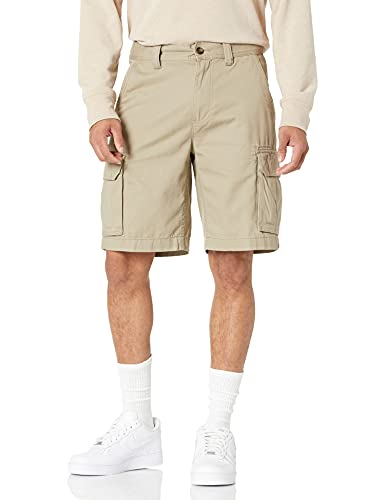
The silhouette of your shorts dictates how professional you look on the course. The modern standard is a 'slim' or 'athletic' fit, which follows the natural line of the leg without being restrictive. Avoid overly baggy shorts, as excess fabric can catch on your clubs or create a sloppy appearance. Conversely, avoid skin-tight styles that restrict circulation and look more like gym wear than golf attire. The hem length is also vital. Most golfers prefer a mid-thigh to just-above-the-knee cut. A length that hits right at the top of the kneecap is widely considered the most versatile and timeless option.
Functional Details and Utility
Golf is a game of tools, and your shorts should help you manage them. Check for specialized features such as dedicated tee pockets or reinforced loops for a towel. Some premium shorts include zippered security pockets, which are invaluable for keeping your scorecard, rangefinder, or car keys secure while you walk the course. Additionally, consider the weight of the fabric. Lightweight, breathable weaves are ideal for summer tournament play, while slightly heavier, structured blends might be better for early morning rounds in cooler climates.
Style and Versatility
When selecting a color palette, consider your existing wardrobe. Neutral tones like navy, khaki, charcoal, and stone are the most versatile, as they pair easily with almost any polo shirt color. If you prefer a more modern look, subtle patterns or seasonal colors can add personality, but ensure they remain tasteful enough for your local club's dress code. The ultimate goal is to find a pair of shorts that transitions seamlessly from the 18th green to a casual dinner at the clubhouse without needing a change of clothes.