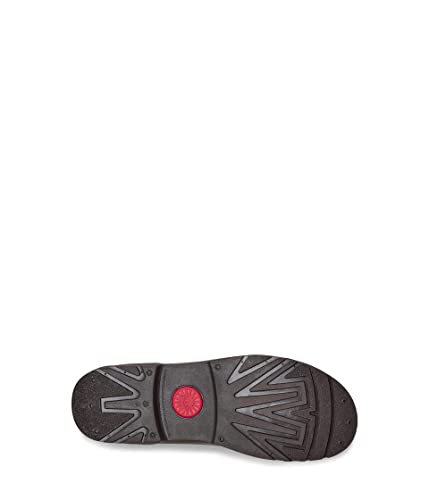
Prioritize Traction and Outsole Engineering
The most critical distinction between a casual boot and a hiking boot lies in the outsole. While lifestyle boots often feature softer, smoother rubber for urban walking, true hiking models from UGG utilize more aggressive lug patterns. When browsing, look for deep, multidirectional grooves in the rubber. These lugs are designed to bite into loose dirt, gravel, and mud, preventing the slips that occur on unpaved paths. If you plan on hiking in wet or rocky environments, ensure the outsole is made of a high-density rubber compound that maintains its grip even when the temperature drops.
Understanding Insulation and Moisture Management
The hallmark of the UGG experience is warmth, but in a hiking context, heat management is a double-edged sword. If a boot is too insulated without being breathable, your feet will sweat, leading to blisters and discomfort. Look for models that utilize high-quality sheepskin or technical wool linings. These natural fibers are excellent at regulating temperature—keeping you warm in the cold while wicking moisture away from the skin. For more demanding treks, seek out boots that incorporate moisture-wicking liners to ensure that even if your feet get damp, they stay dry and comfortable throughout the hike.
Upper Material Durability and Weatherproofing
Hiking boots take a beating from rocks, branches, and debris. While soft suede is a staple for the brand, for hiking purposes, you should look for reinforced uppers. A combination of premium leather and durable nubuck offers the best defense against abrasions. Furthermore, consider the level of water resistance required for your specific environment. Some models are treated to repel light moisture, which is perfect for dry trails or light mist, while others may offer more robust weatherproofing for damp woodland paths. A sturdy upper also provides the lateral support necessary to keep your ankle stable on uneven ground.
Support, Midsole, and Fit
A hiking boot must provide more structural support than a standard boot. Pay close attention to the midsole—the layer between the outsole and the insole. A responsive midsole will absorb the impact of each step, reducing fatigue on long walks. Additionally, ensure the boot offers adequate ankle height. Mid-cut or high-cut boots provide much-needed stability for the ankle joint, which is vital when navigating slopes or carrying a backpack. When trying them on, ensure there is enough room in the toe box for your feet to expand slightly during activity, but that the heel remains locked in place to prevent rubbing.
Summary Recommendation Logic
To make the right decision, match the boot to your primary activity. If your 'hiking' consists of light nature walks on well-maintained paths, prioritize the softest, most cushioned models that emphasize warmth. If you are venturing into more rugged, unpredictable terrain, shift your focus toward models with the deepest lug patterns, reinforced leather uppers, and higher ankle support. By balancing the brand's legendary comfort with technical outdoor features, you can find a boot that transitions seamlessly from a mountain trail to a casual evening setting.